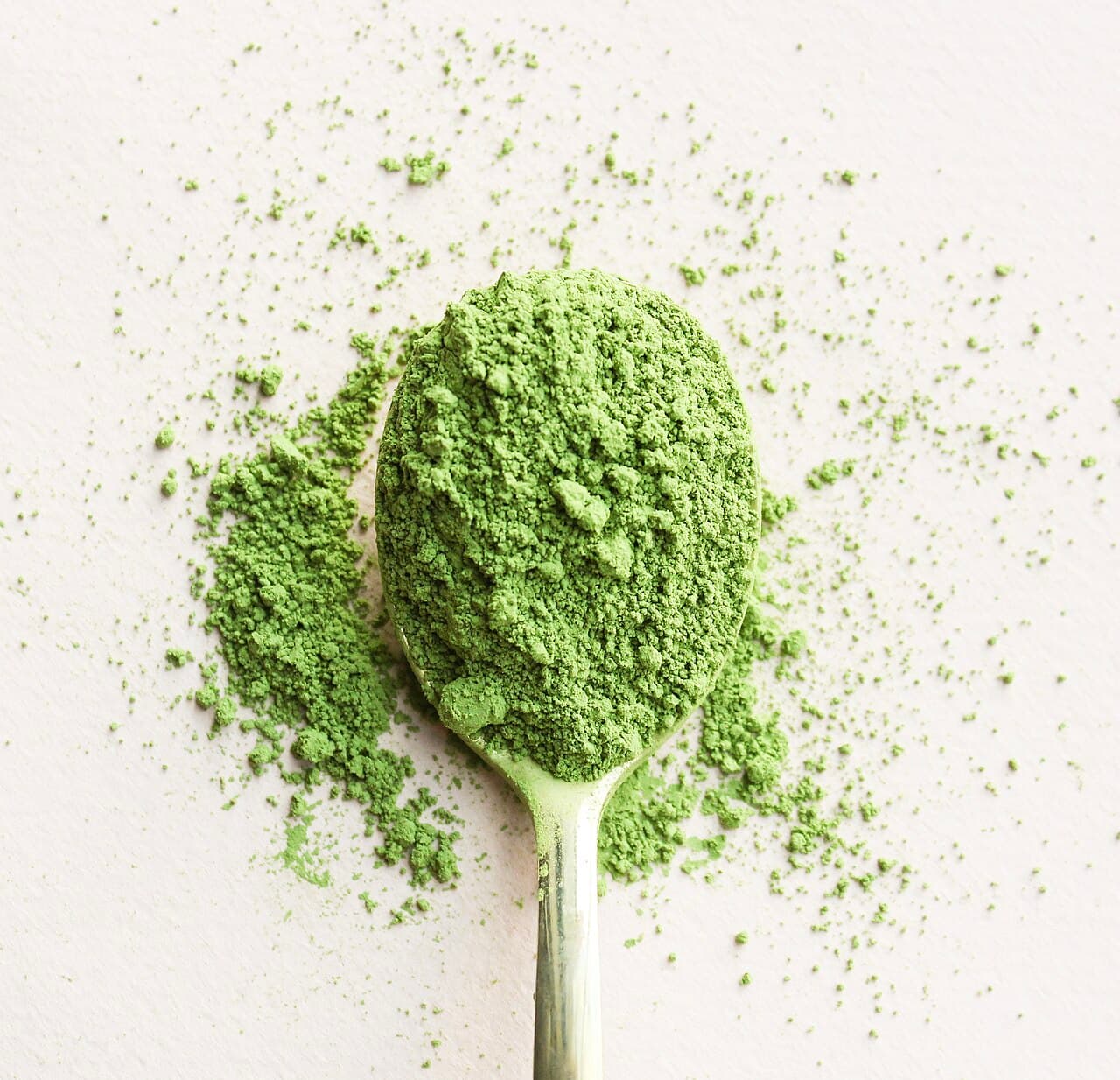
Guide
Making Matcha Without a Chasen (Whisk): What Actually Works
The short answer
If you don't have a chasen (bamboo tea whisk), your best substitutes, roughly in order of how close they get to real chasen foam, are: an electric milk frother wand, a small metal kitchen whisk, a fork, and a shaker bottle or jar. None fully replaces a chasen for straight-drinking usucha — but for a matcha latte, where milk and ice do most of the textural work anyway, several of them are genuinely fine.
Why the chasen is hard to replace
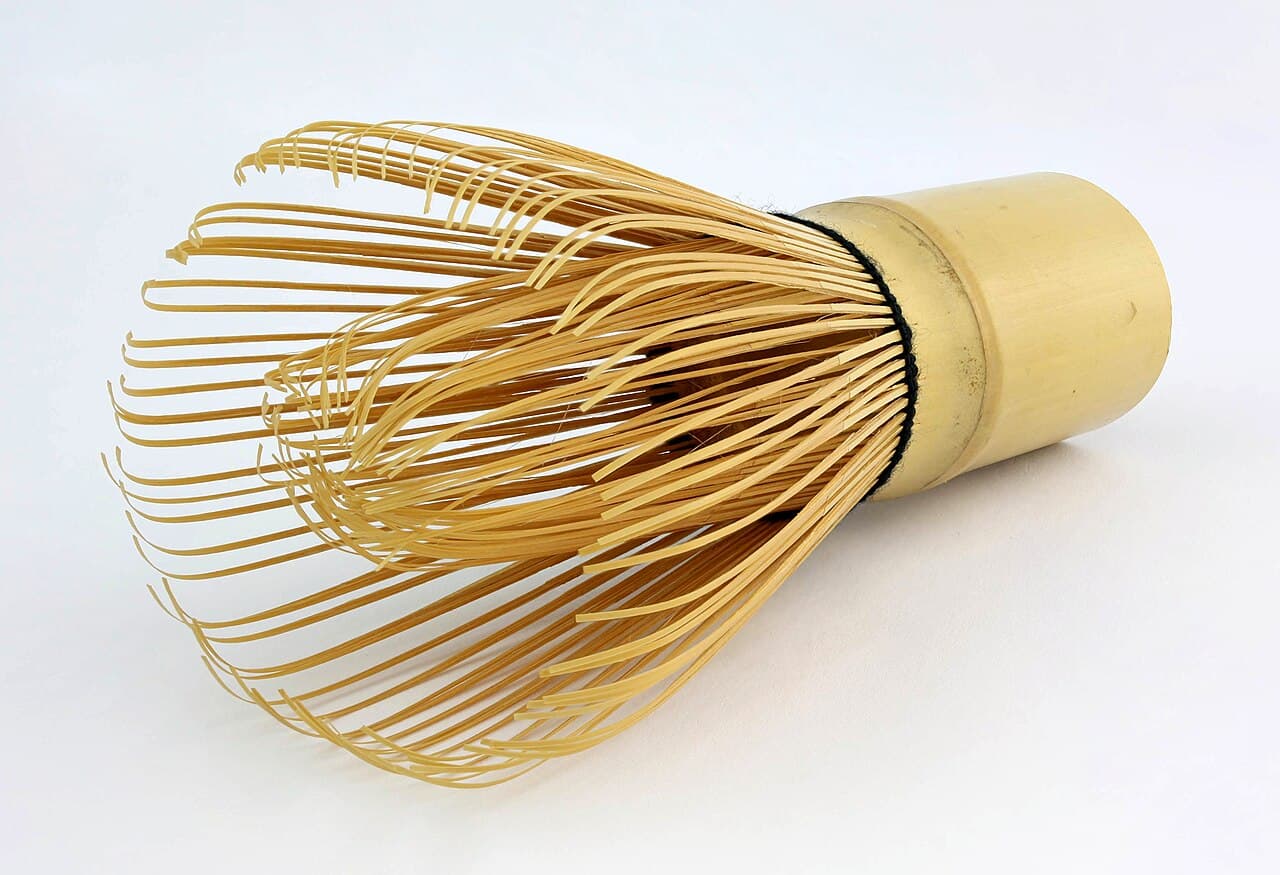
A chasen is carved from a single piece of bamboo into dozens of fine, hand-shaped tines. Over 90% of Japan's chasen are made in one place — Takayama, in Ikoma, Nara Prefecture, a craft with over 500 years of history that was designated a National Traditional Craft on May 10, 1975. That figure is worth reading carefully, though: a Nara-based data outlet that checked the claim found "over 90%" describes Takayama's share of domestic production specifically, not of the whisks Japanese households actually use — most chasen actually in use in Japan are inexpensive imports, mainly from China. The fine, many-tined bamboo structure is what produces the small, stable microfoam usucha is meant to have; nothing else creates quite that texture.
The alternatives, evaluated honestly
| Tool | Foam quality | Best for | Honest downside |
|---|---|---|---|
| Milk frother wand (electric) | Fine, closest to a chasen | Lattes, iced matcha, everyday cups | Motorized foam differs in texture from hand-whisked; can incorporate more large bubbles |
| Small metal kitchen whisk | Coarser foam, decent mixing | Lattes, cooking uses | Can scratch a delicate chawan bowl; harder to fully dissolve clumps |
| Fork | Minimal foam, but breaks up clumps | Emergency single cup, mixing into batter | Slow, tiring, won't foam a proper usucha |
| Shaker bottle / jar with lid | No foam, but fully mixed | Iced matcha, matcha for smoothies | No foam at all — texture is closer to a mixed drink than traditional usucha |
| Blender (small/immersion) | Can over-foam | Lattes, iced drinks, larger batches | Easy to over-process; overkill for one cup |
When it actually matters
Foam matters most for usucha — the everyday whisked bowl meant to be drunk straight, where the classic technique (see our how to make matcha guide) is built around producing a stable, fine foam. It matters far less for a latte, where milk foam or ice does the textural work, or for baking, where the matcha is fully mixed into a batter regardless of how it's dissolved. If you drink matcha straight often, a chasen is a genuinely worthwhile, inexpensive tool; if you mostly make lattes, a milk frother you likely already own is a perfectly reasonable substitute.
Sources
FAQ
- Can I really make good matcha with just a fork?
- You can mix it and drink it, but a fork won't produce real foam — expect a flatter, sometimes clumpier cup than a whisked usucha. It's a fine fallback, not an equivalent.
- Is it true almost all chasen are made in one town in Japan?
- Domestic production is concentrated that way — Takayama, Nara makes over 90% of the chasen made in Japan — but most chasen actually used day to day in Japan are lower-cost imports, so the '90%' figure describes where whisks are made, not which ones people use.
- Does a milk frother damage the matcha's flavor?
- Not inherently — it changes the foam texture and mixing method, not the tea itself. The tradeoff is texture, not taste degradation.
This article is for information only, not health or medical advice — we describe tea, not what tea will do for your body. Prices, availability and harvest details change; always check the linked vendor or official page before buying. Outbound links to vendors are plain links: we hold no affiliate accounts and earn nothing if you use them (see /how-we-review).