Japanese tea subscriptions earn their cost mainly through discovery — trying named teas you wouldn't have chosen — not through price. Once you've identified a specific tea and vendor you like, buying that tea directly, sized to what you'll finish before it stales, is usually cheaper than staying subscribed.
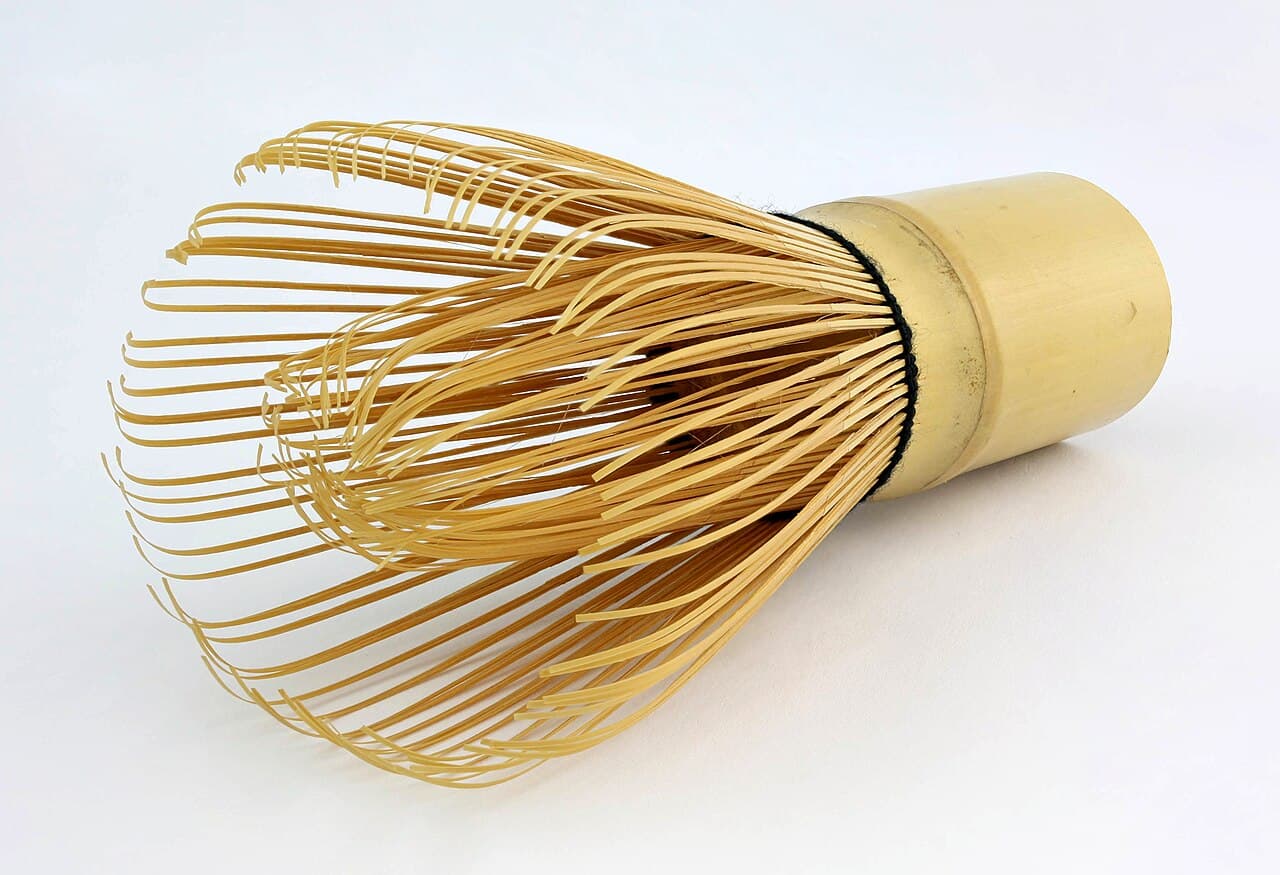
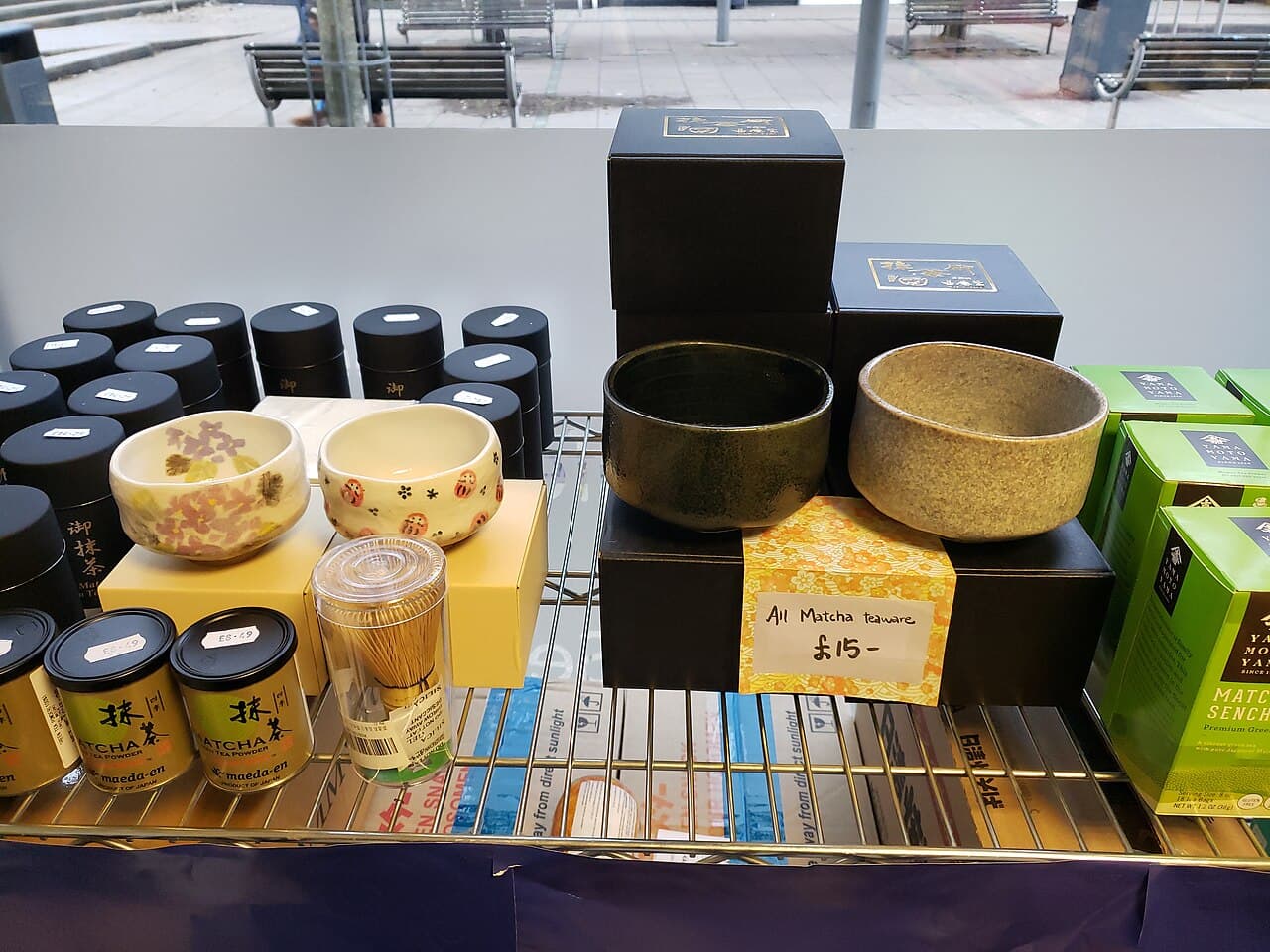
Chasen tine count (usually 60–120, hand-split by the maker) is hand-counted, so treat the printed number as a rough guide: fewer, thicker tines suit koicha's kneading; more, finer tines build usucha's foam. Bamboo colour marks tea-school tradition, not performance. Rinse in warm water only and dry tines-up on a stand.
Three real paths exist for buying matcha directly from Japan: established Kyoto/Uji merchants with their own English international shipping (Ippodo, Marukyu Koyamaen), farm-direct marketplaces that ship on behalf of small producers (Yunomi), and parcel-forwarding proxy services for shops that don't ship abroad. Compare total shipping cost and check your destination country's current customs rules before ordering — thresholds change, as the EU's 2026 update shows.
Okumidori is a Japanese tea cultivar registered in 1974 (Yabukita × Shizuoka Zairai No. 16), picked about a week after Yabukita. Known for deep green color and low bitterness, it's grown mainly in Kagoshima and Kyoto and used across sencha, kabusecha, gyokuro and tencha, often as a matcha blending component.
Shincha (新茶) is Japan's first-flush tea: the earliest picking of ichibancha, the year's first harvest. Leaf picked before extended spring sun exposure is described by growers as having a higher theanine-to-catechin ratio, giving it a rounder, less astringent character than later flushes. Picking begins in Kagoshima in early April and moves north into May, with exact dates shifting yearly by weather.
Yame (southern Fukuoka Prefecture, Kyushu) is Japan's most competition-decorated gyokuro region: it has won the National Tea Competition's gyokuro regional award every year since 2001, 25 consecutive years as of the 79th competition in 2025. Its straw-shaded hon-gyokuro style, GI-registered since 2015, and river fog over mountain fields define the region.
Water at 50–60°C, steeped 90–150 seconds — that's roughly half the temperature and twice the time of sencha. Weeks of pre-harvest shading raise theanine and hold back catechin in the leaf, so a cool, unhurried steep pulls out umami and sweetness rather than the bitterness and astringency that hot water would draw out instead.
Sencha brews best at roughly 70–80°C for 60–90 seconds, using about 2–3g of leaf per 100ml of water. Cool the water before it touches the leaf, pour in slow circles to divide cups evenly, empty the pot fully, then steep a shorter second cup with slightly hotter water.
Pour a kyusu in short back-and-forth passes across every cup rather than filling one at a time, so each cup shares in the final, strongest drops; then rinse with hot water only (no soap) and dry the pot fully, ideally upside down, before its next use.
Bitterness in matcha traces to one of five causes: water hotter than roughly 80°C, leaf grown with less shading or picked in a later flush, too much powder or too long whisking for the water used, matcha that has oxidized on the shelf, or culinary-grade matcha whisked straight rather than blended into milk.
Mizudashi is Japan's cold-steep method: cold or room-temperature water and a wait, usually 2 to 10 hours in the refrigerator depending on the recipe, rather than hot water and a quick steep. Because catechins and caffeine dissolve far less readily in cold water than the umami amino acid theanine does, the result tastes sweeter and rounder — which is why it suits high-theanine leaves like gyokuro and high-grade sencha especially well.
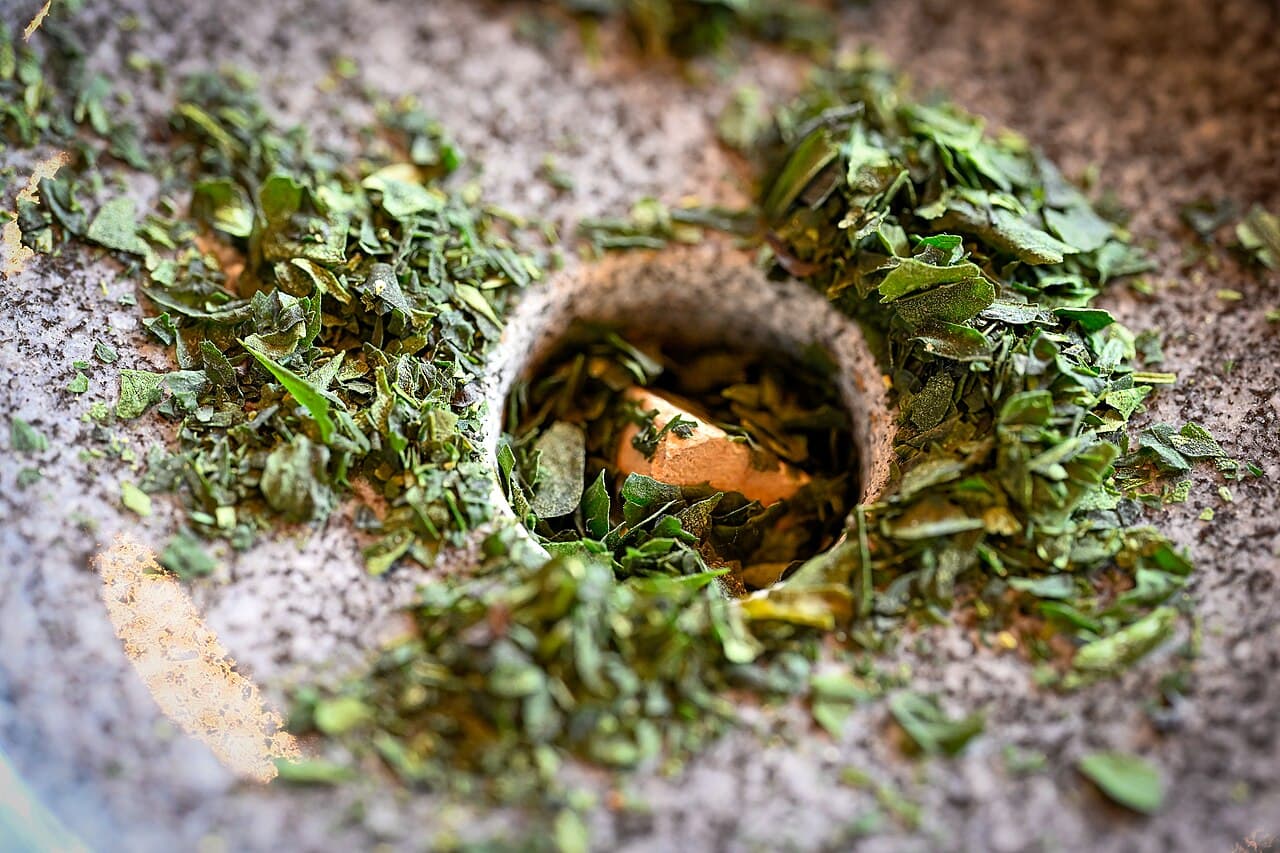
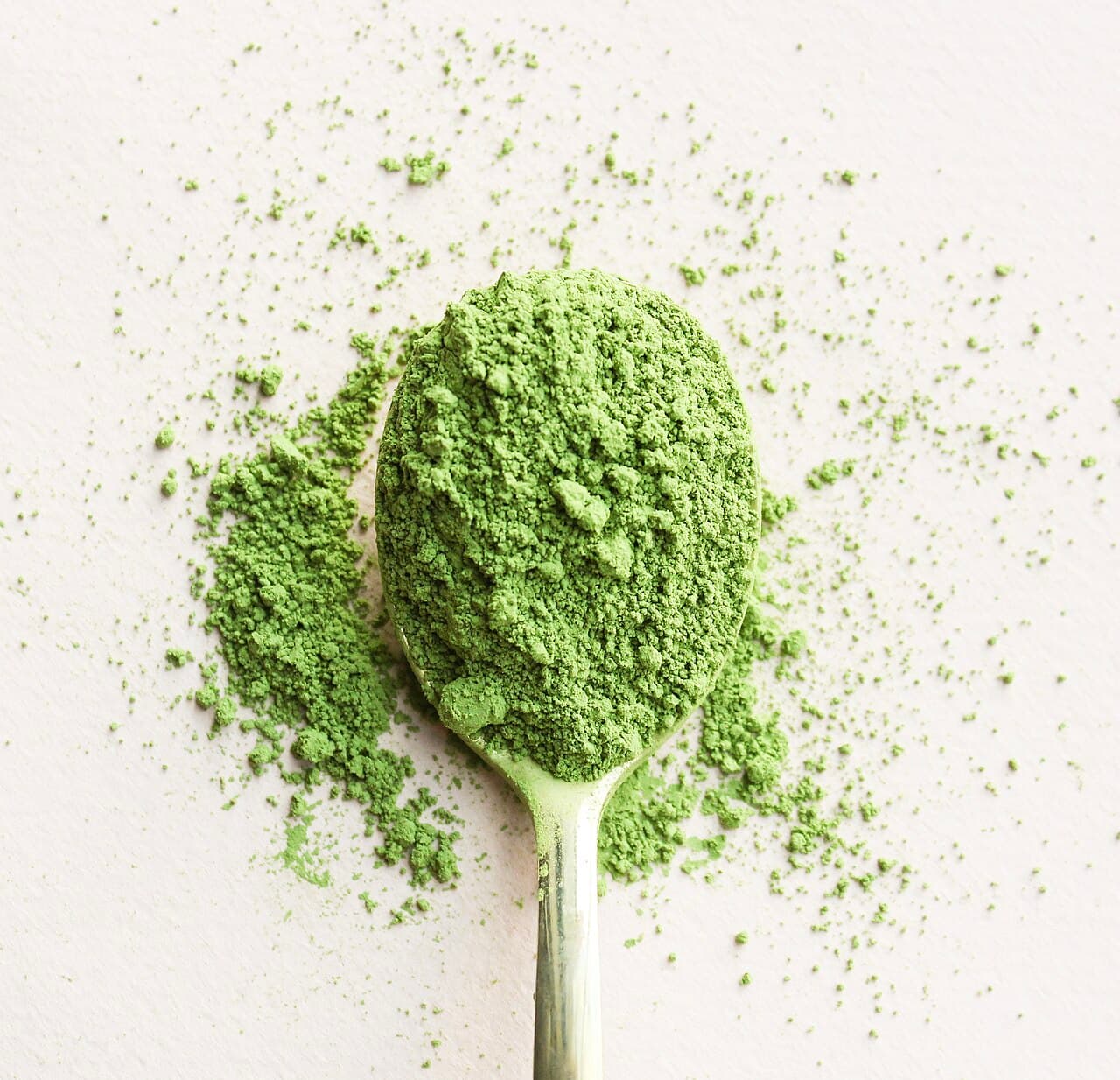
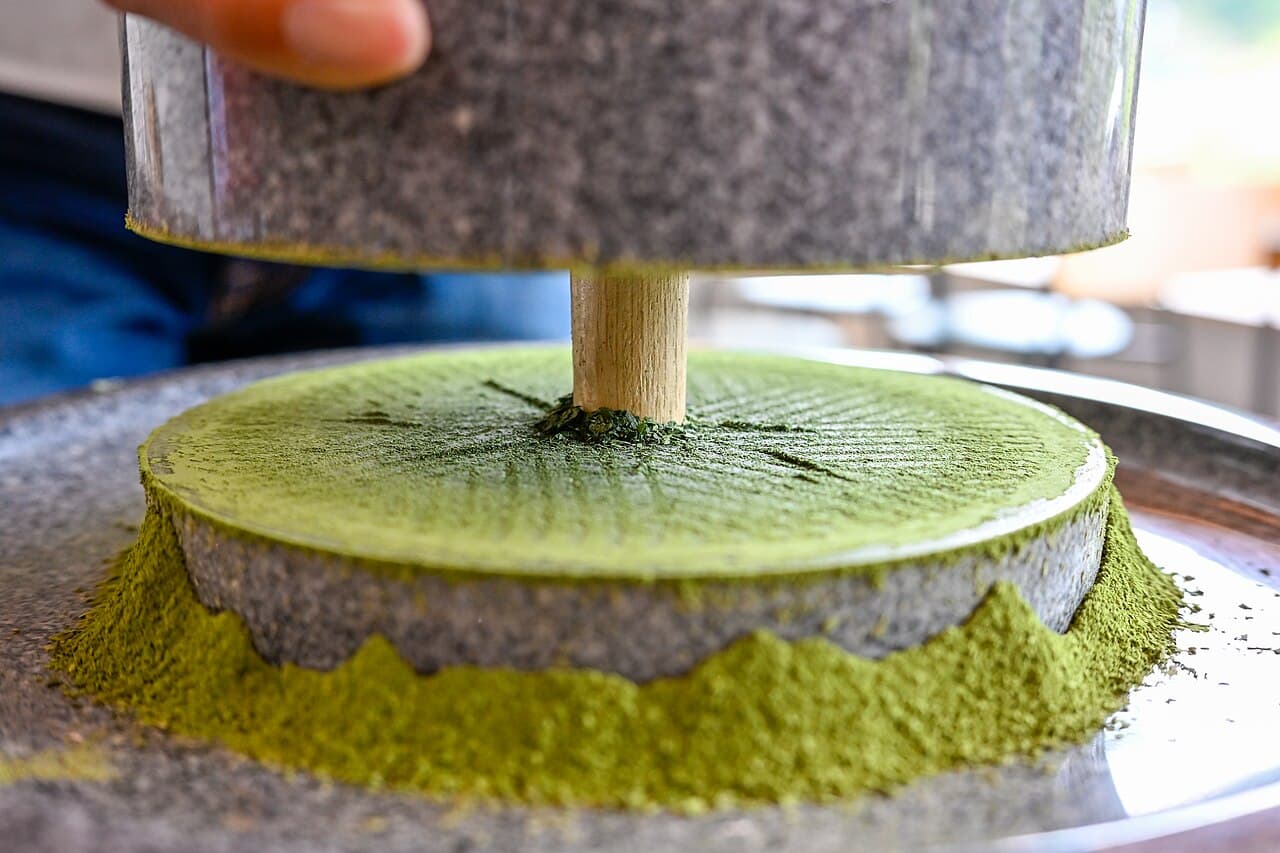
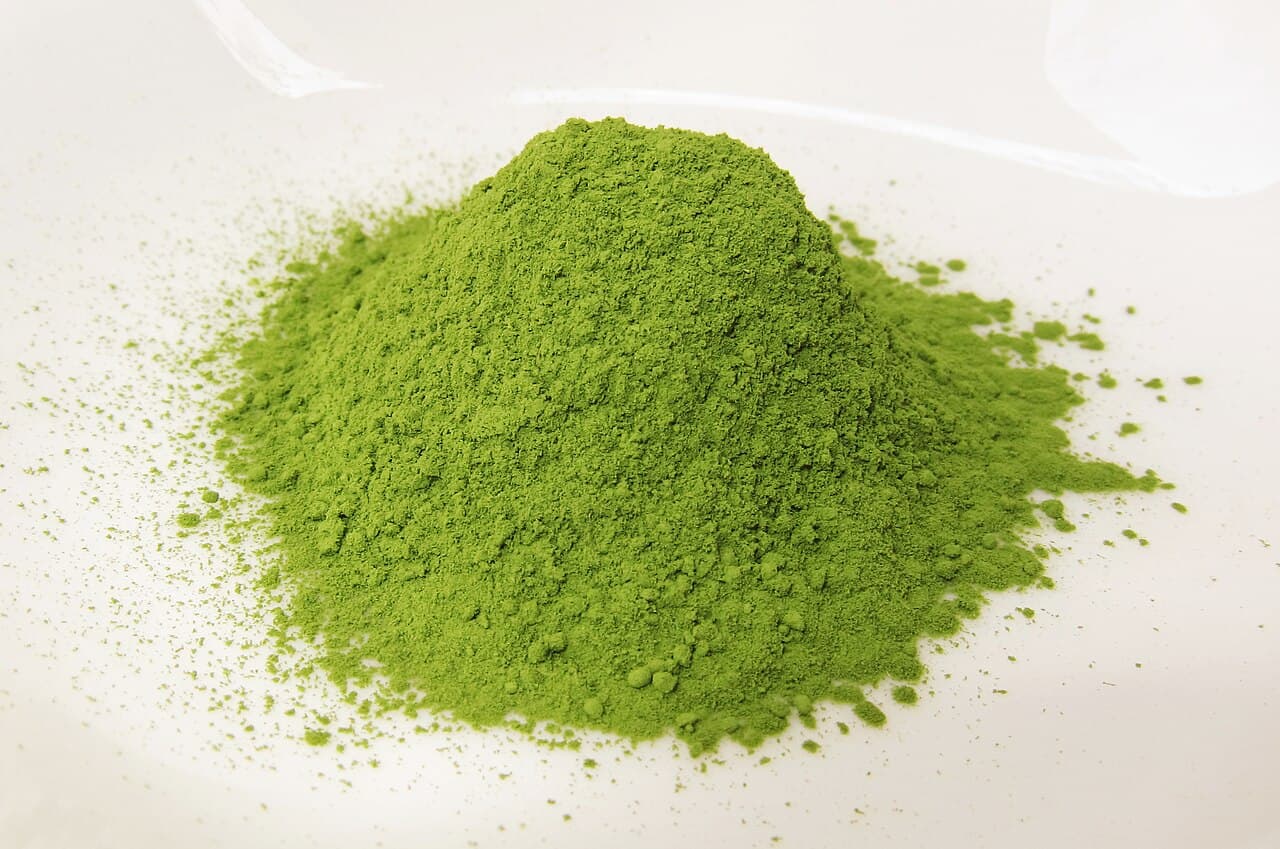
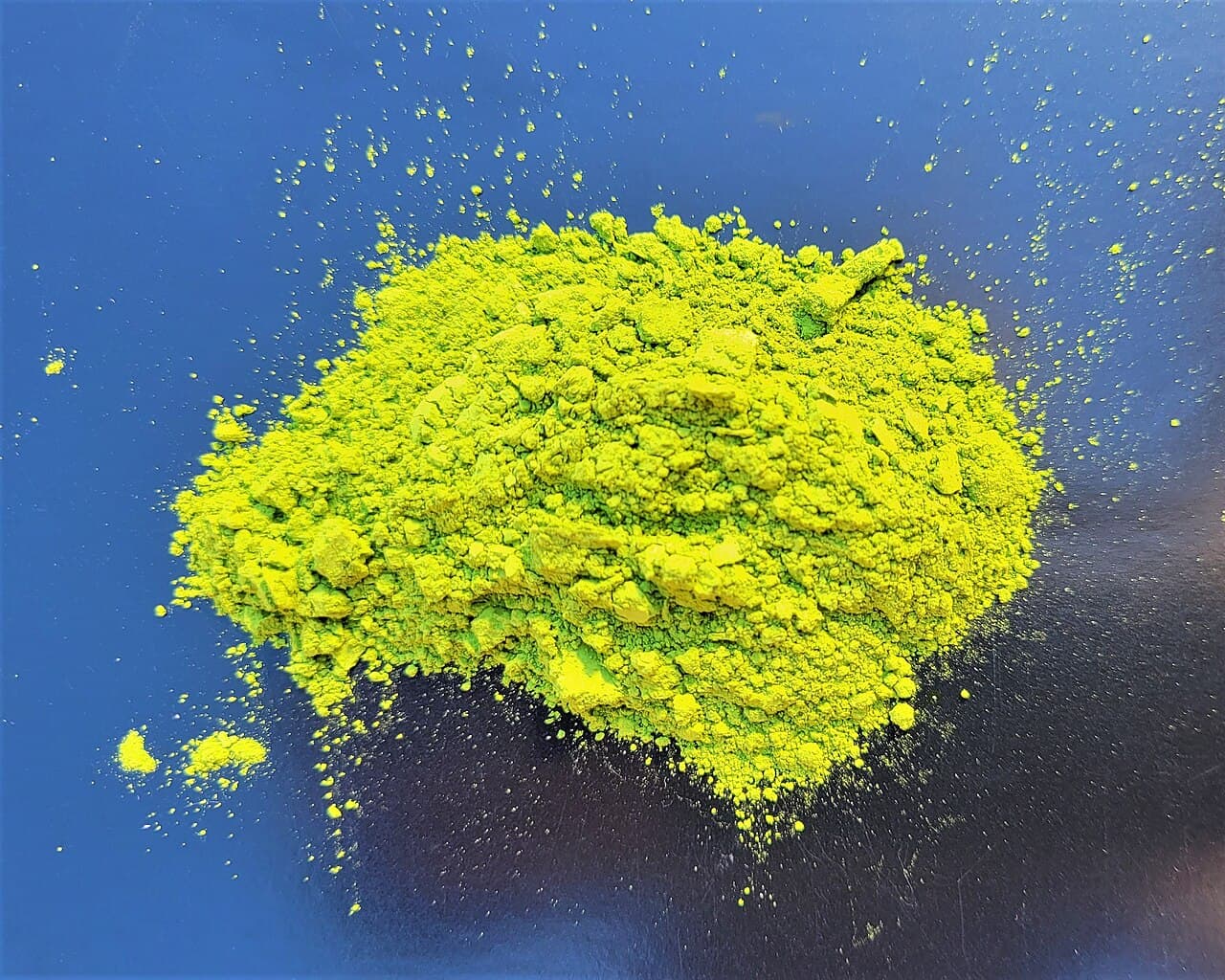
Matcha is milled far finer than whole-leaf tea — Uji producer Yamamasa Koyamaen describes it as approximately 10 microns — so more surface area is exposed to air and it fades faster. Store it airtight, cold, and dark: Yamamasa Koyamaen backs an 8-month best-by unopened when kept cool, and one retailer says an unopened tin keeps about a year frozen. Once opened, use it up promptly rather than chasing an exact day count, and let a chilled tin sit at room temperature for a while before opening it.
Neither term is defined by any Japanese government body or trade association — each vendor sets its own line. What's actually checkable: milling fineness (high-quality matcha is generally milled to ~5-10 microns; culinary-labeled bags rarely publish a comparable figure, so a direct comparison isn't verifiable), the harvest tier typically used, and price, which at same-brand comparisons is substantially higher for ceremonial ($70.40 vs. $31.20 for the same 100g bag from one vendor, as of 2026-07-17).
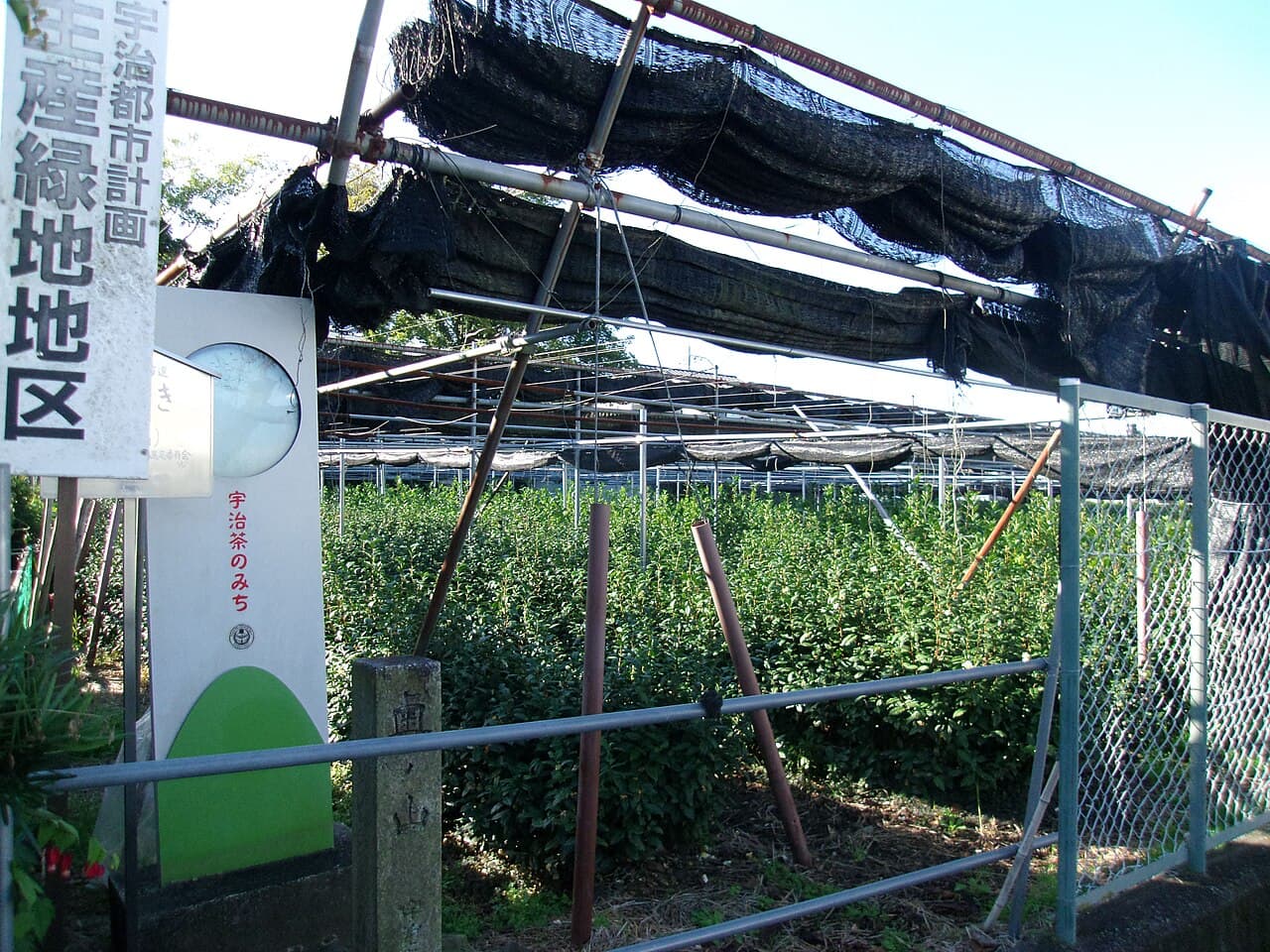
Uji's fame traces to 15th-century shogunate patronage and the oishita shading method behind tencha and gyokuro — 'Uji tea' spans a wider region than Uji City alone.
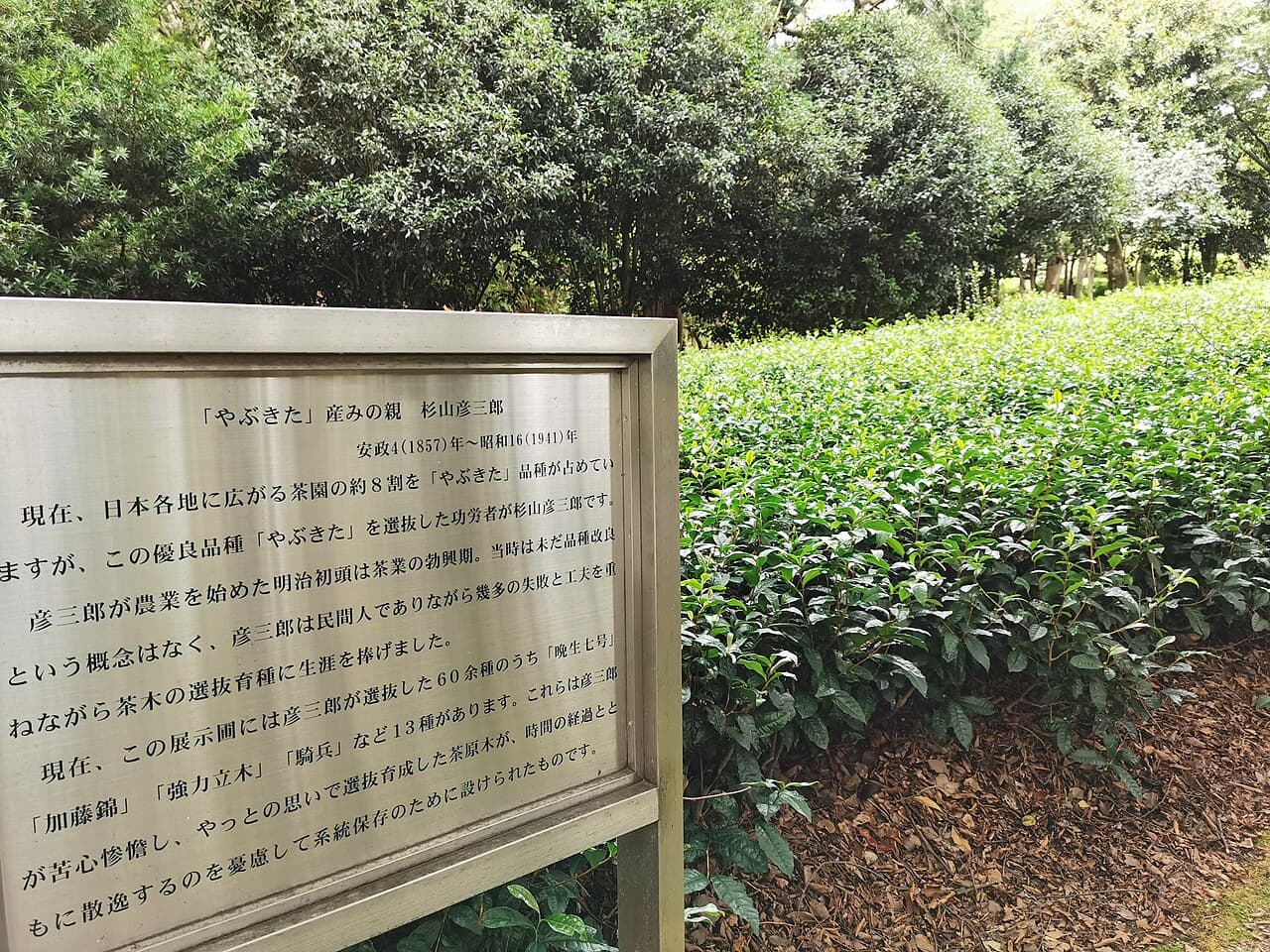
Yabukita is the specific tea cultivar behind most Japanese tea, bred in Shizuoka around 1908 and nationally registered in 1953 — not a grade, region or brand.
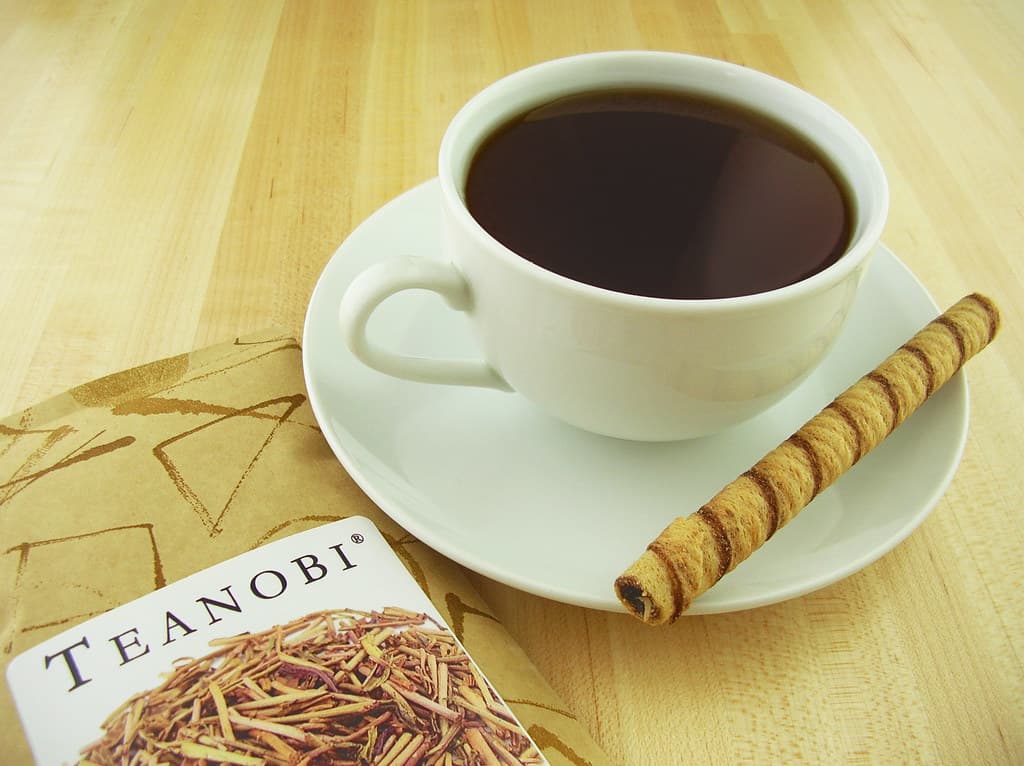
Hojicha caffeine reports (roughly 5–20mg per cup) differ by serving size, leaf part, roast degree and brewing method — not because any single figure is wrong.
Pick by sourcing style: Marukyu Koyamaen grows and mills its own Uji leaf (since c. 1704); Ippodo is a Kyoto merchant blending leaf from Uji and the surrounding Kyoto, Nara and Shiga hills (since 1717). Spec-based, not yet tasted. Neither uses the word 'ceremonial' on its own product pages -- both sort teas by usucha/koicha suitability and named blends instead.
'Ceremonial,' 'premium' and 'culinary' matcha grades all trace back to individual vendors, not any Japanese government ministry or trade body — several sellers admit this outright. Score any tin instead on what's verifiable: harvest timing, milling method, named region and cultivar, and price per gram.
No Japanese government ministry, trade body or industry-wide standard defines 'ceremonial grade' matcha — it is a label each vendor applies on its own, including in Japan. Judge a tin instead by region, cultivar, harvest flush, milling method and price per gram.
All Japanese teas come from one plant. Sencha = everyday steamed leaf; matcha = stone-ground shaded leaf; gyokuro = shaded luxury leaf; hojicha = roasted and mellow; genmaicha = blended with toasted rice.