Brewing & Basics

What Is Shincha? Japan's First-Flush Tea, Explained

Shincha (新茶) is Japan's first-flush tea: the earliest picking of ichibancha, the year's first harvest. Leaf picked before extended spring sun exposure is described by growers as having a higher theanine-to-catechin ratio, giving it a rounder, less astringent character than later flushes. Picking begins in Kagoshima in early April and moves north into May, with exact dates shifting yearly by weather.

CHANOMA Editorial ·

How to Brew Gyokuro: Water Temperature and Steep Time, Explained

Water at 50–60°C, steeped 90–150 seconds — that's roughly half the temperature and twice the time of sencha. Weeks of pre-harvest shading raise theanine and hold back catechin in the leaf, so a cool, unhurried steep pulls out umami and sweetness rather than the bitterness and astringency that hot water would draw out instead.

CHANOMA Editorial ·

How to Brew Sencha: A Step-by-Step Kyusu Guide

Sencha brews best at roughly 70–80°C for 60–90 seconds, using about 2–3g of leaf per 100ml of water. Cool the water before it touches the leaf, pour in slow circles to divide cups evenly, empty the pot fully, then steep a shorter second cup with slightly hotter water.

CHANOMA Editorial ·

How to Use a Kyusu Teapot: Parts, Strainers, and the Right Way to Pour

Pour a kyusu in short back-and-forth passes across every cup rather than filling one at a time, so each cup shares in the final, strongest drops; then rinse with hot water only (no soap) and dry the pot fully, ideally upside down, before its next use.

CHANOMA Editorial ·

Why Is Matcha Bitter? Five Causes, and How to Fix Each One

Bitterness in matcha traces to one of five causes: water hotter than roughly 80°C, leaf grown with less shading or picked in a later flush, too much powder or too long whisking for the water used, matcha that has oxidized on the shelf, or culinary-grade matcha whisked straight rather than blended into milk.

CHANOMA Editorial ·

Cold-Brew Japanese Green Tea: How Mizudashi Works (and Which Teas Suit It)

Mizudashi is Japan's cold-steep method: cold or room-temperature water and a wait, usually 2 to 10 hours in the refrigerator depending on the recipe, rather than hot water and a quick steep. Because catechins and caffeine dissolve far less readily in cold water than the umami amino acid theanine does, the result tastes sweeter and rounder — which is why it suits high-theanine leaves like gyokuro and high-grade sencha especially well.

CHANOMA Editorial ·

How to Store Matcha So It Stays Fresh

Matcha is milled far finer than whole-leaf tea — Uji producer Yamamasa Koyamaen describes it as approximately 10 microns — so more surface area is exposed to air and it fades faster. Store it airtight, cold, and dark: Yamamasa Koyamaen backs an 8-month best-by unopened when kept cool, and one retailer says an unopened tin keeps about a year frozen. Once opened, use it up promptly rather than chasing an exact day count, and let a chilled tin sit at room temperature for a while before opening it.

CHANOMA Editorial ·

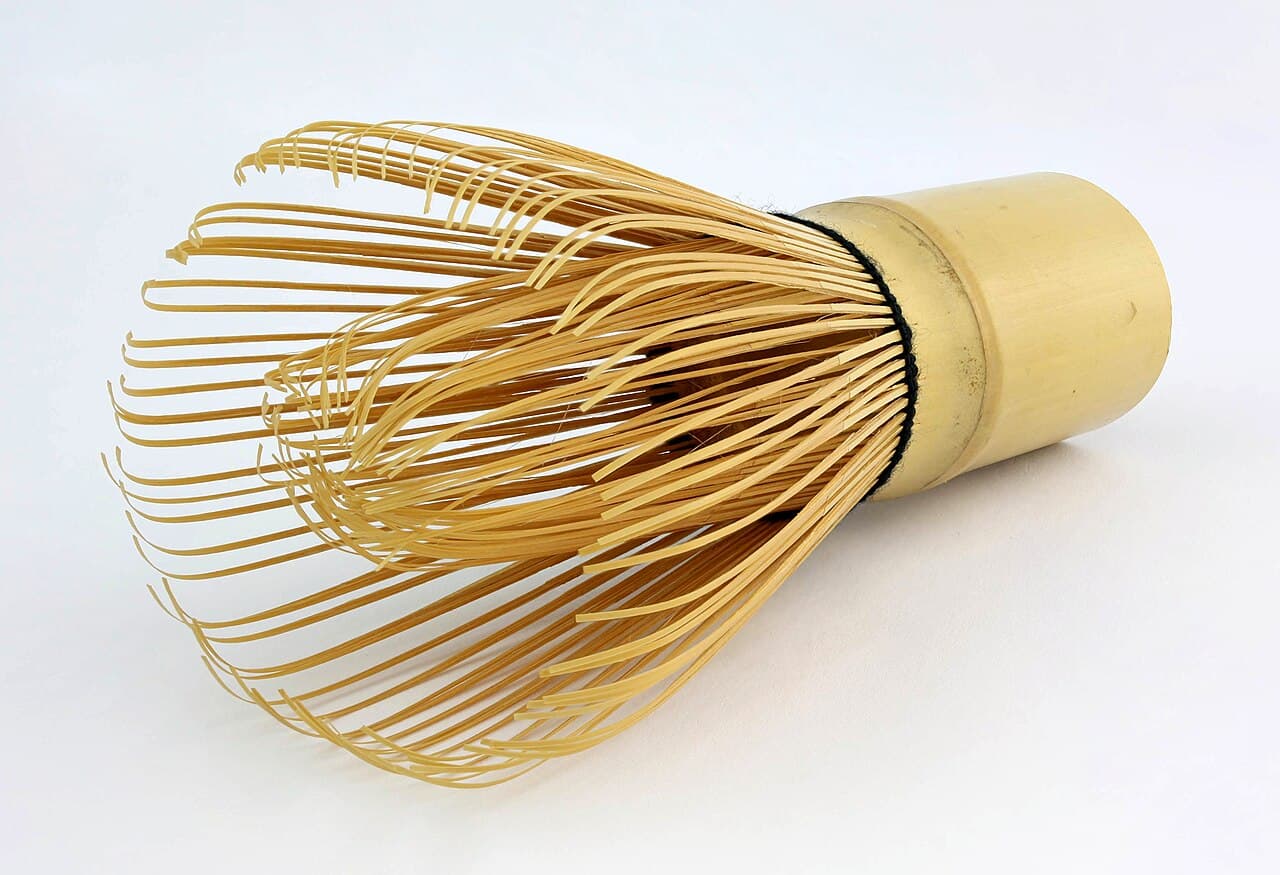
Making Matcha Without a Chasen (Whisk): What Actually Works

A milk frother gets closest to real chasen foam; forks and shakers work but won't replicate usucha's fine foam — an honest comparison.

CHANOMA Editorial ·

How to Make Matcha at Home (Without the Ceremony)

Sift matcha, add hot-but-not-boiling water, whisk in a zig-zag until foamy. A bowl and a bamboo whisk (chasen) are the only real requirements.

CHANOMA Editorial ·