Reference
Okumidori Cultivar: The Deep-Green Tea Behind Matcha and Tencha Blends
What Okumidori is
Okumidori (奥みどり) is a cultivar of the tea plant bred in Japan by crossing Yabukita — the country's most widely planted tea cultivar — with a Shizuoka native selection recorded as Shizuoka Zairai No. 16 (静岡在来16号). The cross was carried out at the tea research station in Kanaya, Shizuoka, and the resulting plant was registered in 1974 (Showa 49) under the official name Chanorin 32 (茶農林32号), with the working line name F1NN29 used before registration.
On the bush: a late, deep-green picker
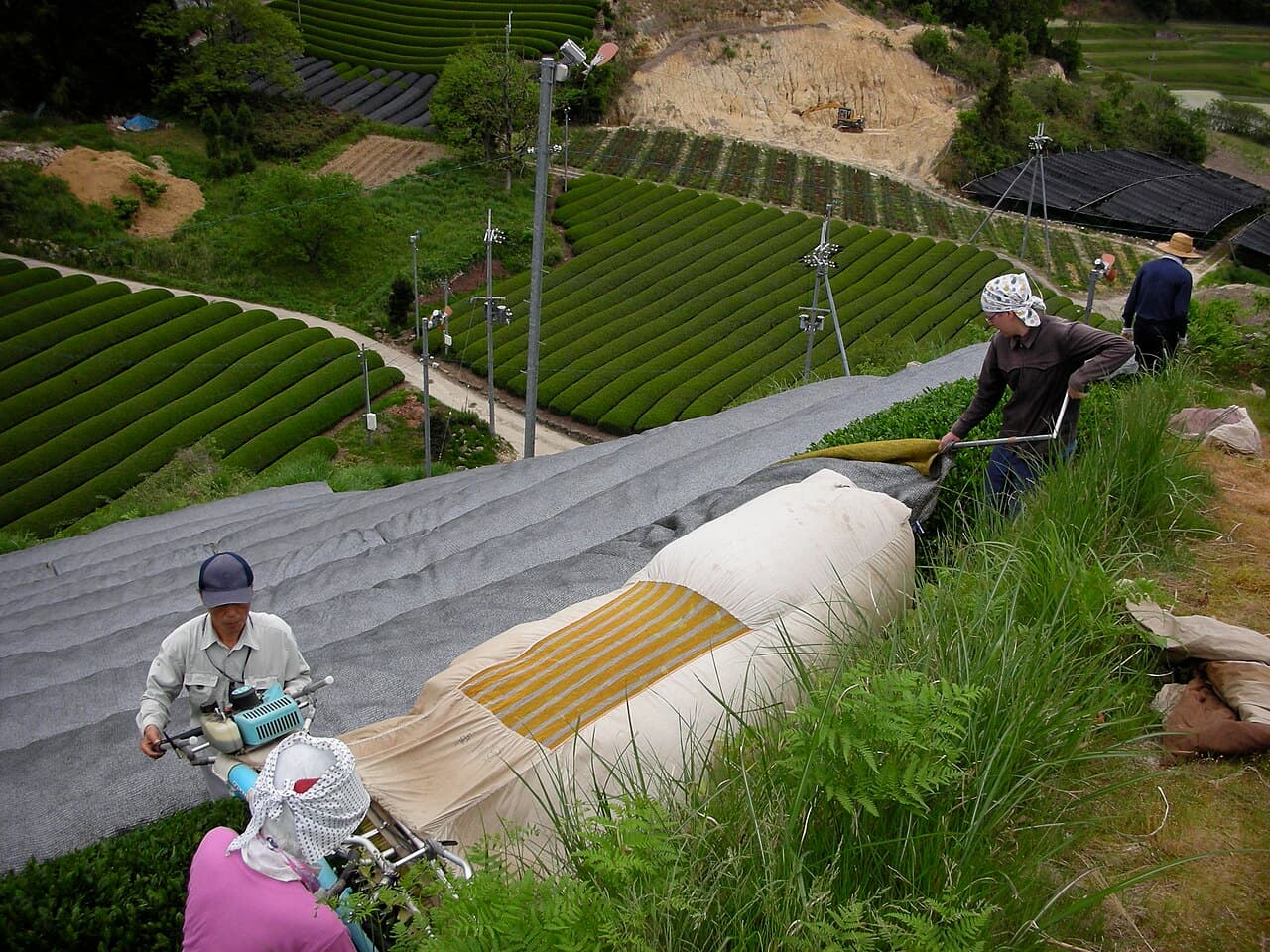
Okumidori is a late-maturing cultivar. Compared with Yabukita in the same district, its buds break about 11 days later, and it is picked about eight days later. That gap is the agronomic point of the cultivar: farms plant Okumidori alongside Yabukita specifically to spread the harvest window and the labor it demands, rather than having every field ready on the same days.
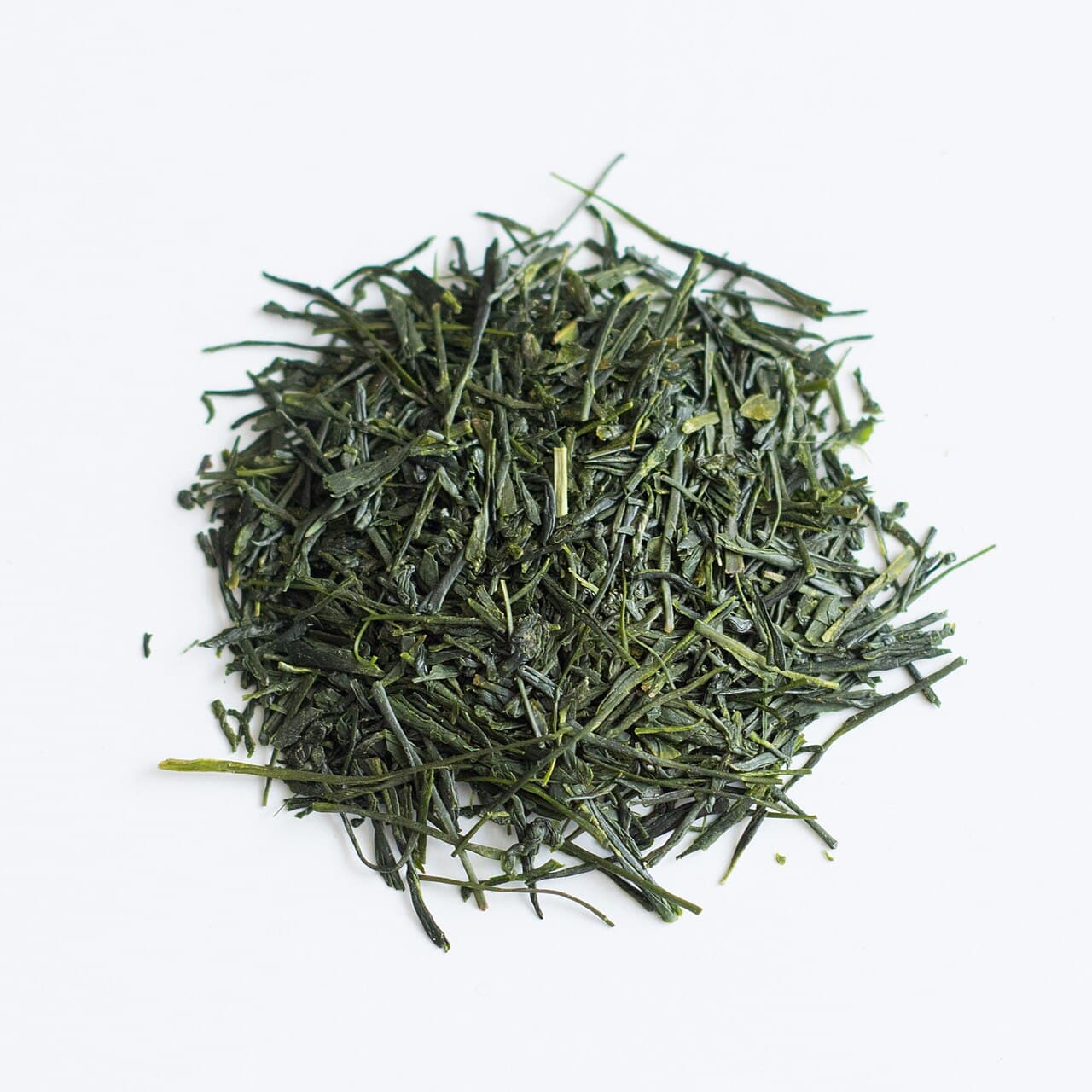
The leaf and the finished tea are both notable for color — a markedly deep, saturated green — paired with a clean aroma and a mild, low-bitterness taste. Several producer pages describe it as having little distinctively "peculiar" flavor character of its own, which is precisely why it turns up so often as a blending tea rather than always being sold as a single-cultivar lot.
Where it's grown
Okumidori's core production is centered in Kagoshima and Kyoto, two of Japan's largest tea-producing prefectures. Its cold-hardiness has also let growers plant it well beyond its origin in Shizuoka: regional surveys list cultivation in Shizuoka, Kyoto, Mie, Aichi, Fukuoka, Saga, Miyazaki and Kagoshima.
It is not, however, one of the small group of cultivars native to Uji. Kyoto Prefecture's own tea research institute lists Samidori, Asahi and Uji-hikari as the region's home-bred tencha varieties — Okumidori appears in Uji-area fields as an introduced cultivar, not an indigenous one.
What it's used for
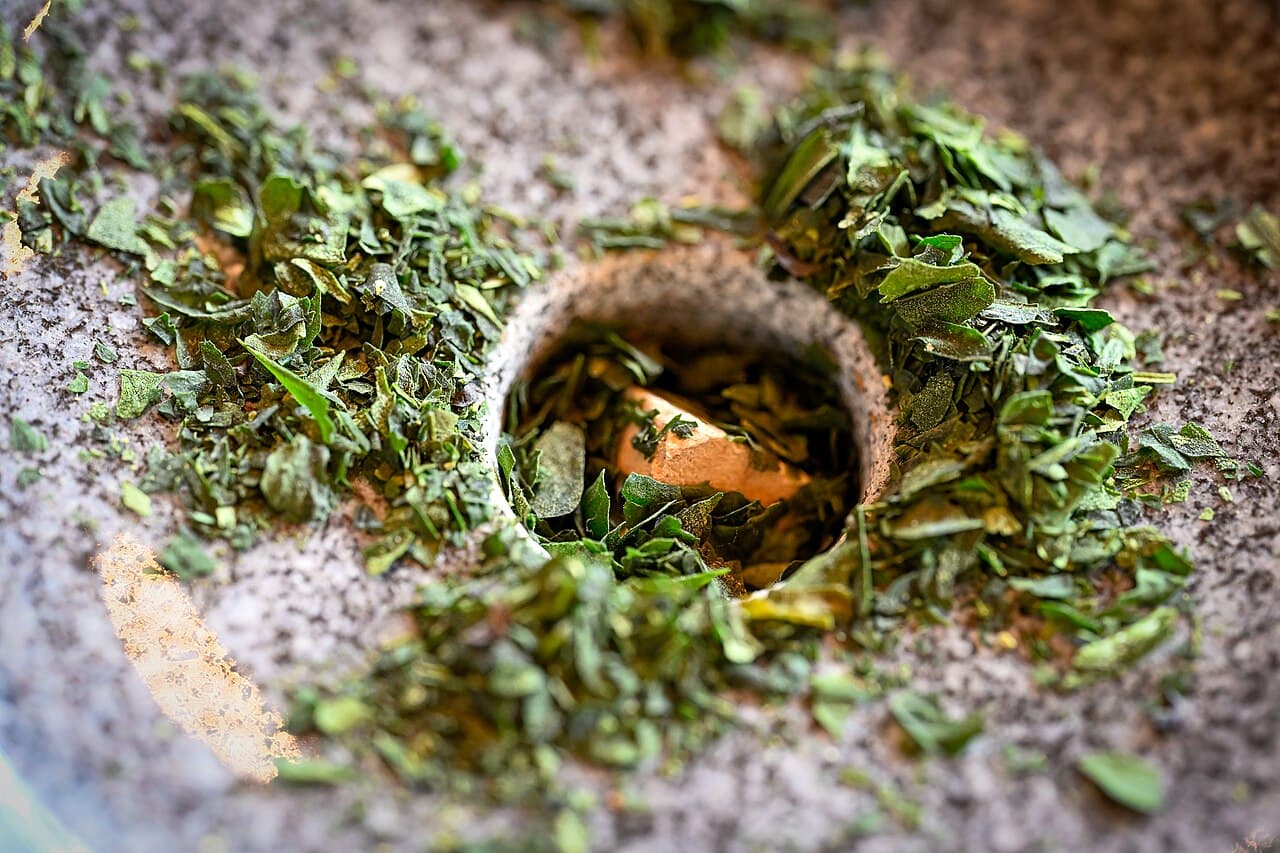
Okumidori is registered and marketed as a multi-purpose cultivar: sencha, kabusecha (short-shaded tea), gyokuro and tencha — the shade-grown, unrolled leaf that is stone-ground into matcha — are all made from it.
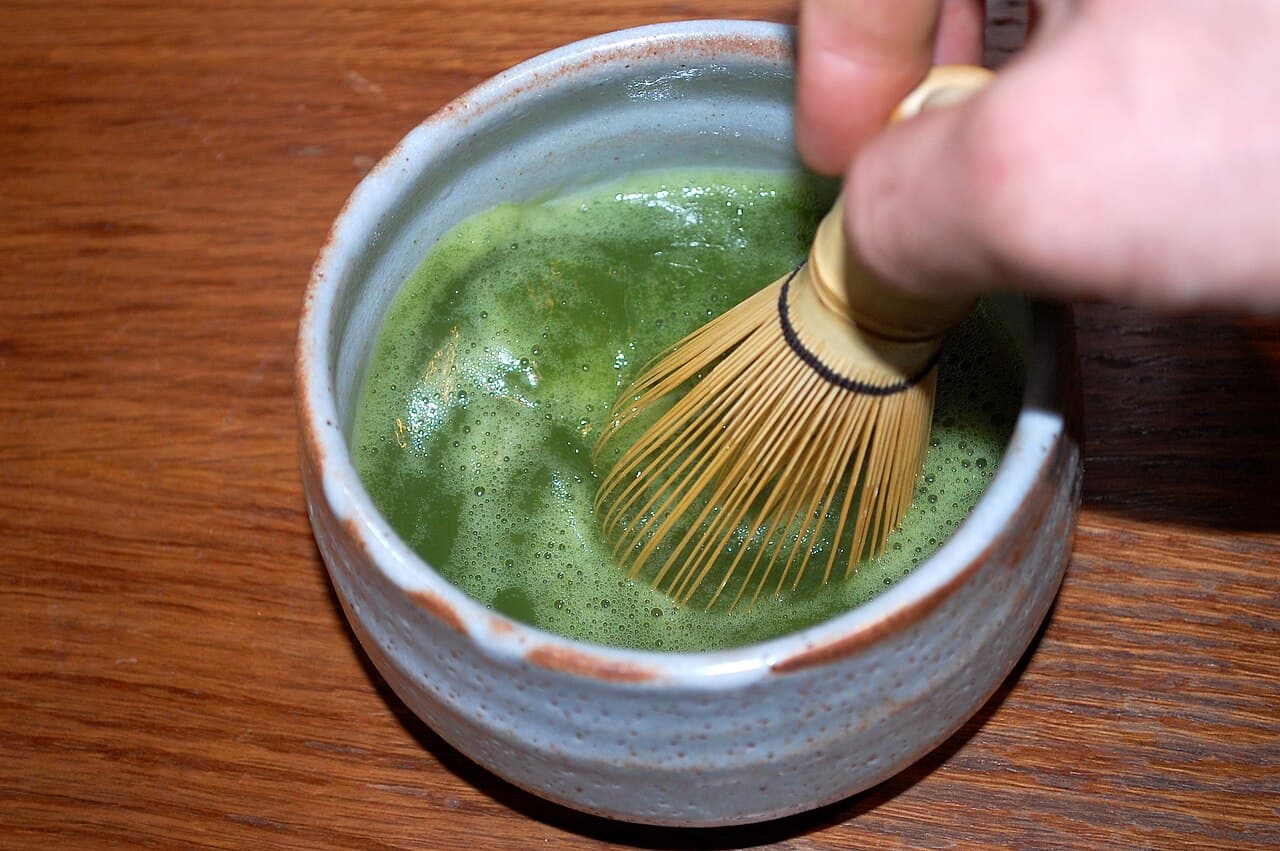
Its role in tencha and matcha production leans on that same deep-green trait: producers going into the shading and grinding process value a cultivar that is intrinsically dark-leafed to begin with, and several matcha vendors describe using Okumidori specifically to lift the color of a blend. Multiple vendors also count Okumidori among the cultivars — alongside others such as Samidori, Asahi and Gokou — that go into house blends aimed at traditional whisked (usucha) matcha, on the strength of its low bitterness and rounding effect on sharper cultivars. That kind of cultivar blend is each maker's own recipe, not a regulated category — for what a grade word like "ceremonial" does and doesn't guarantee on a label, see our explainer on what "ceremonial grade" matcha actually means.
Because Okumidori doesn't carry one loud, identifying flavor note, it's common to see it folded into blends rather than sold as single-origin — though single-cultivar Okumidori matcha and sencha are also widely available from Kagoshima and Kyoto producers.
Okumidori next to Yabukita
Because Okumidori was bred directly from Yabukita, the two are easiest to place side by side: Yabukita is the mid-season, all-purpose standard that anchors most of Japan's tea acreage, while Okumidori is the deliberately later-picked, deeper-green sibling bred to work alongside it rather than replace it. If you're comparing the two on a shelf or a label, our Yabukita cultivar guide covers the baseline plant Okumidori was bred from and is still measured against.
Reading it on a label
A bag or tin that names "Okumidori" as a single cultivar is telling you the tea came from one registered tea plant, picked in its own harvest window — a specific, checkable fact, unlike a marketing grade term. If a product instead says only "Uji matcha" or "Nishio matcha" with no cultivar named, it may well contain Okumidori as one component of an unlisted blend; the cultivar name only shows up on the label when a maker chooses to sell it as a single-origin lot.
Sources
- おくみどり — お茶を楽しむホームページ O-CHA NET (World Green Tea Association)
- Okumidori — O-CHA NET (English)
- 茶の品種~おくみどり~|南九州市 (Minamikyushu City, Kagoshima)
- 宇治品種について|京都府 (Kyoto Prefecture Tea Research Institute)
- おくみどりの特徴|甘い味わいで抹茶や玉露にぴったり — CHANOYU
- 附表1 茶農林登録品種一覧 (registered Chanorin tea cultivar table)
- A Guide to Matcha Cultivars: From Samidori to Okumidori — Uji Matcha Tea
- Okumidori — Far East Tea Company
FAQ
- Is Okumidori mainly a matcha cultivar, or is it used for sencha too?
- Both. Okumidori was registered in 1974 as a multi-purpose cultivar and is grown for sencha, kabusecha and gyokuro as well as tencha, the shaded leaf that becomes matcha; its deep green color and mild, low-bitterness flavor make it a common choice across all four.
- How is Okumidori different from Yabukita?
- Okumidori was bred by crossing Yabukita with a Shizuoka native plant, then registered as its own cultivar in 1974. It buds about 11 days later than Yabukita and is picked about 8 days later, so farms often plant the two together to spread out the harvest. See our Yabukita cultivar guide for the baseline plant it's compared against.
- Does an "Okumidori" label mean the matcha is ceremonial grade?
- No — cultivar name and grade label are separate things. "Okumidori" tells you which registered tea plant the leaf came from; a term like "ceremonial grade" has no public Japanese definition and is applied by each vendor on its own. See our explainer on what "ceremonial grade" actually means.
This article is for information only, not health or medical advice — we describe tea, not what tea will do for your body. Prices, availability and harvest details change; always check the linked vendor or official page before buying. Outbound links to vendors are plain links: we hold no affiliate accounts and earn nothing if you use them (see /how-we-review).