Guide
Is a Japanese Tea Subscription Worth It? A Neutral Breakdown
The short answer
A Japanese tea subscription is worth it if what you're paying for is discovery — someone else choosing named teas you wouldn't have picked, on a schedule you don't have to think about. It's a weaker deal once you already know which tea and which vendor you like: at that point you're usually better off buying that specific tea directly, in a size that matches how fast you'll actually drink it, than paying a recurring box to keep re-selecting it for you.
What a subscription is actually selling
Strip away the packaging and a tea subscription is one of two things.
The first is a discovery box: a rotating assortment, often unlabelled or lightly labelled, sent to introduce you to teas you haven't tried. Yunomi.life, a Japan-tea importer, runs subscriptions on this model — customers choose to have products "delivered every month, every 2 months, or every 3 months," with cancellation available at any time through an account portal. The value here is genuinely curatorial: someone with catalogue access is doing the picking.
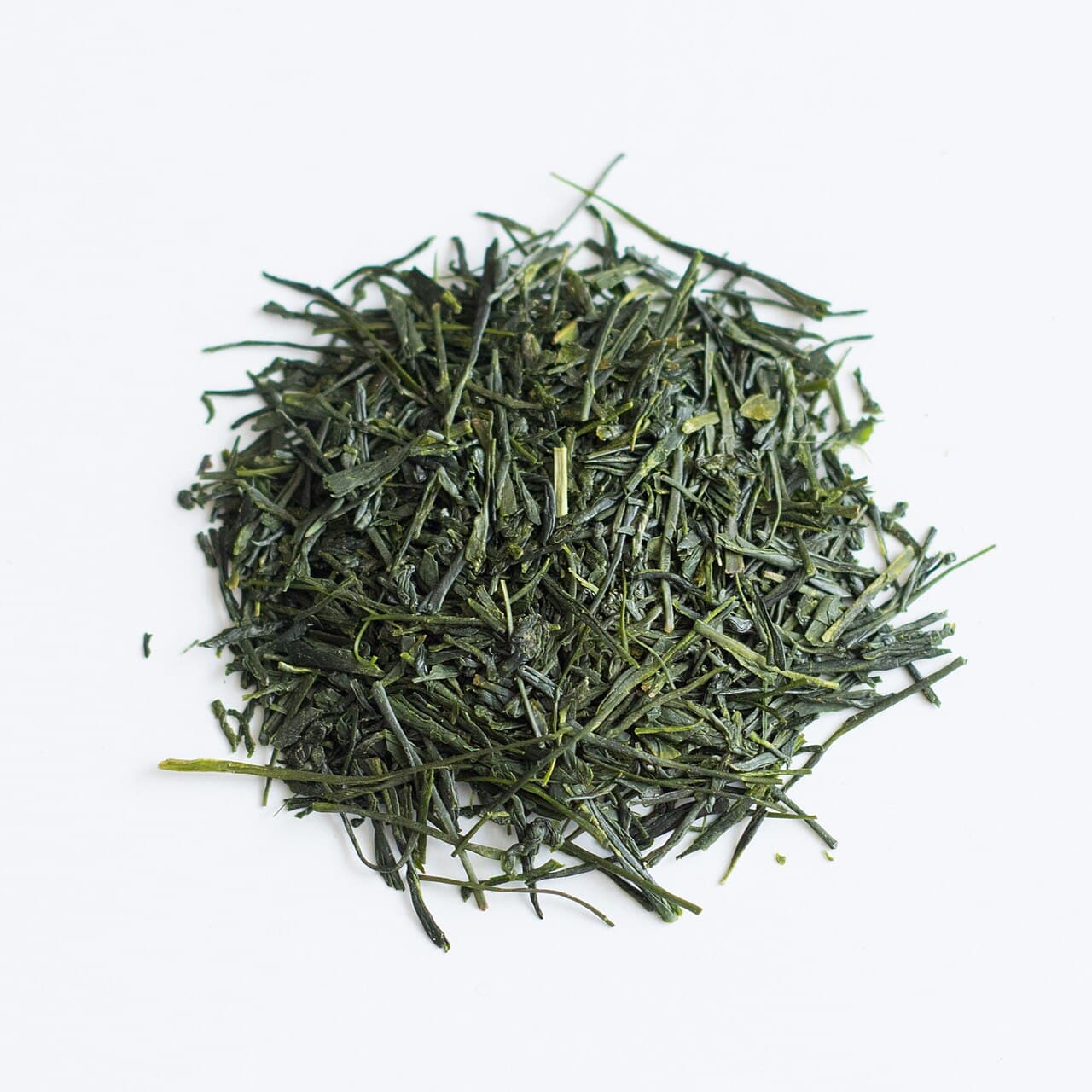
The second is a continuity plan: the same named tea, shipped on repeat, so you don't have to reorder it yourself. d:matcha Kyoto sells one this way — its subscription ships 40g bags of Sencha Yabukita, a single-cultivar tea from a stated origin (Wazuka, Kyoto), once every three months, with the option to "pause or cancel their subscription at their own discretion" and payment taken before each shipment (verified 2026-07-17). Here the "curation" has already happened — by you, the first time you picked the tea — so what you're really paying for is convenience.
These two models deserve different scrutiny, and mixing them up is where a lot of subscription evaluations go wrong.
Once you know what you like, buying direct usually wins on price
Discovery has a real value while you're still exploring. It has a much smaller value once you've settled on a tea, because at that point a subscription is really just an auto-reorder with someone else's markup and packaging built in — and, for matcha specifically, portion sizes exist that work against you.
Take our own verified vendor price-per-gram comparison: Marukyu Koyamaen's Kinrin matcha runs about ¥150/g in a 20g tin and about ¥143/g in a 40g tin — the same tea, cheaper per gram in the larger size, as of the vendor's own listed prices on 2026-07-16. That's an ordinary bulk-pricing pattern, not unique to this one product. A subscription built to ship small, frequent portions — which matcha's staling speed genuinely pushes toward, more on that below — can end up costing you exactly the per-gram premium that buying a larger tin, less often, would avoid. If you already know you want Kinrin, buying a 40g tin directly whenever you're running low will usually beat a subscription built around smaller, more frequent shipments of the same tea.
Match the cadence to what's actually inside the box
The common shorthand — "matcha stales fast, whole-leaf tea doesn't" — is broadly right but not the whole story, and a subscription's shipping schedule should be checked against the specific tea inside it, not a blanket rule.
Ippodo Tea, a Kyoto tea merchant, recommends finishing an opened bag of matcha "within a month" for the best flavor, even though it "won't spoil" after that. Yamamasa Koyamaen, a Kyoto matcha producer, gives unopened matcha a best-before date of about eight months if kept cool, and its core storage advice is to buy package sizes matched to how quickly you'll actually use them rather than a large tin that sits open. Mizuba Tea Co., a US importer of Japanese tea, puts a number on the spread across styles: matcha's "distinct nuances in flavor begin to fade about 4-8 weeks after opening"; delicate whole-leaf greens like sencha and gyokuro are, in the same guide, recommended to be "enjoyed within 1 month once opened" — a similarly tight window to matcha — while roasted styles like hojicha tolerate "2-3 months."
The practical takeaway: matcha and delicate green whole-leaf tea both call for buying only what you'll finish in a matter of weeks, while roasted teas are more forgiving. So the question to ask of any subscription isn't "is this matcha or leaf tea" — it's "does the shipment size and frequency match how fast this specific tea goes stale," using the vendor's own storage guidance as the check.
Four things to check before you subscribe
- Named tea or unlabelled blend? A subscription built around a stated cultivar and origin — like d:matcha's Sencha Yabukita from Wazuka — is a tea you could, in principle, identify and rebuy directly if you cancelled. A proprietary "house blend" with no stated cultivar or origin locks you in differently: you can't just go buy it elsewhere, because outside the subscription it doesn't exist under a name you can search for. See our guide to what to check on a matcha label — region, cultivar, harvest flush and price per gram — for the specifics worth asking a subscription about before signing up.
- Cancellation and billing terms. These vary by vendor and are worth reading, not assuming: d:matcha bills before each shipment and allows pausing or cancelling at will; Yunomi allows month-to-month, bi-monthly, or quarterly cadence with cancellation through an account portal. Neither pattern is universal — check the specific vendor's own policy page before committing.
- Does the cadence match the tea's staling speed? A quarterly shipment of a fine matcha you can't finish inside a few weeks works against the tea's own producer guidance, no matter how good the tea is. A quarterly shipment of a roasted hojicha is a much better match to how that style actually holds up.
- Total cost versus buying the same tea directly. If the subscription names its tea, look up that tea (or something comparable in cultivar and origin) on the vendor's own site and compare the price per gram at the package size you'd actually choose yourself — not the size the subscription happens to ship.
Where a subscription still earns its cost
None of this makes subscriptions a bad idea — it makes them a better fit for a specific job. If you genuinely don't know what you like yet, a discovery box that ships several different named teas is a reasonable way to sample more widely than clicking through single-vendor product pages would get you to on your own. Marketing language on a subscription page — "premium," "ceremonial grade" and similar terms — carries the same caveat it does everywhere else on a tea label: no Japanese government ministry, trade body, or industry-wide standard defines these terms, as we cover in what "ceremonial grade" actually means and matcha grades explained. A subscription box is not exempt from that — check the same specifics you'd check on any single tin.
We haven't tasted any specific subscription's contents for this piece — see our review-standards page for what "tasted" versus "spec-based" means on this site — so this is an evaluation of the subscription model itself, not a ranking of any one service.
Sources
FAQ
- Is a Japanese tea subscription worth it?
- Mostly for discovery — trying named teas curated by someone with catalogue access. Once you know the specific tea and vendor you prefer, buying that tea directly, in a package size you'll finish before it stales, is usually the cheaper route.
- Is it cheaper to subscribe or to just buy the tea directly?
- Once you've settled on a tea, usually direct: subscriptions that ship small, frequent portions can carry the same per-gram premium that any small package does versus a larger one from the same vendor. Compare the subscription's per-shipment price and weight against the vendor's own listed price for that package size.
- How do I know if a tea subscription is sending a named tea or an unlabelled house blend?
- Check whether the vendor states a specific cultivar and growing region for the tea (for example, a named sencha cultivar from a named town) versus a generic 'house blend' with no origin or cultivar given. A named tea can, in principle, be identified and rebought directly if you cancel; an unlabelled blend generally can't.
- Can I cancel a Japanese tea subscription at any time?
- It depends on the vendor — terms are not standardized across the industry. Some allow pausing or cancelling before each shipment is charged; others require cancelling through an account portal ahead of the next billing date. Read the specific vendor's policy before signing up rather than assuming.
This article is for information only, not health or medical advice — we describe tea, not what tea will do for your body. Prices, availability and harvest details change; always check the linked vendor or official page before buying. Outbound links to vendors are plain links: we hold no affiliate accounts and earn nothing if you use them (see /how-we-review).