Guide
Why Is Matcha Bitter? Five Causes, and How to Fix Each One
The short answer
Bitterness in a bowl of matcha almost always traces back to one of five variables, and none of them require better taste buds to fix — only ruling them out one at a time, starting with the easiest to test: water hotter than the leaf can tolerate, tencha (碾茶) grown with less shading or picked in a later flush, too much powder — or too many seconds of contact with hot water — for the amount of liquid, powder that has already oxidized on the shelf, and culinary-grade matcha whisked straight instead of blended into milk.
A little bitterness is not a flaw. Usucha, the everyday thin preparation, is built to balance a savory, mildly bitter backbone against sweetness from the leaf's amino acid content — some edge is normal. What signals a real problem is bitterness that's sharp, lingers at the back of the throat, or overwhelms everything else in the bowl. That kind of bitterness has a specific, findable cause.
1. The water is too hot
This is the most common cause, and the easiest to test. The compounds behind a green tea's bitter and astringent edge — catechins and caffeine — extract into water faster as the water gets hotter, and prolonged high heat compounds the problem. A 2015 brewing study in the Journal of Food Science and Technology found that at 85°C a green tea infusion scored well with tasters, but extending the same hot brew to 30–45 minutes dragged sensory scores down specifically because of bitterness and a darkening color — the same underlying chemistry that governs a steeping leaf also governs matcha powder suspended in a bowl.
Water straight off a boil (100°C) runs well above what Uji and Nishio producers generally recommend for drinking matcha with water alone. Ippodo Tea's own published usucha recipe specifies 60ml of water at 80°C for 2g of sifted matcha. (Shading raises theanine and lowers catechin content generally, per the IJMS 2022 study above — a plausible reason lower temperatures read as less bitter, though Ippodo's own page doesn't state a rationale.) If you don't have a thermometer, boil the water and let it rest, uncovered, for a few minutes before pouring. CHANOMA's brew timer gives a working temperature and timing range for matcha alongside sencha, gyokuro, hojicha and genmaicha if you want a consistent starting point.
2. The leaf was grown with less shading, or picked later in the season
Tencha's bitterness or mildness is set largely by what happens to the plant before it's picked. The Kyoto Prefectural Tea Industry Chamber — the trade body for Uji tea — describes covering tencha fields for roughly two to three weeks before harvest specifically to limit the conversion of the leaf's bitter component into catechin and allow theanine, the amino acid behind matcha's savory sweetness, to accumulate instead. A 2022 study in the International Journal of Molecular Sciences measured this directly: shaded tea plants showed lower catechin content and higher theanine and caffeine content than unshaded plants, and the authors noted that a lower catechin content "may weaken the bitterness of tea."
In practice, that means leaf picked later in the season, or grown with a shorter or thinner shading period, tends to carry more catechin and less theanine than an early, well-shaded first-flush pick — one reason vendors sell a separate "culinary" or "cooking" tier at a lower price per gram. None of this comes with an official ranking system: there is no government ministry, trade body, or industry-wide standard in Japan that defines how much shading, or which harvest flush, earns a given grade word — each vendor applies terms like "ceremonial" or "premium" on its own. What the grade words on a tin actually signal and how price per gram varies by cultivar and harvest are the two checkable things worth reading before buying on a grade name alone.
3. Too much powder, or too much time in the bowl
Ratio matters as much as temperature. Standard usucha proportions run close to 2g of matcha to 60–80ml of water. Add noticeably more powder to the same amount of water and the result isn't a "stronger" cup so much as a more concentrated one, with bitter and astringent compounds scaled up alongside everything else.
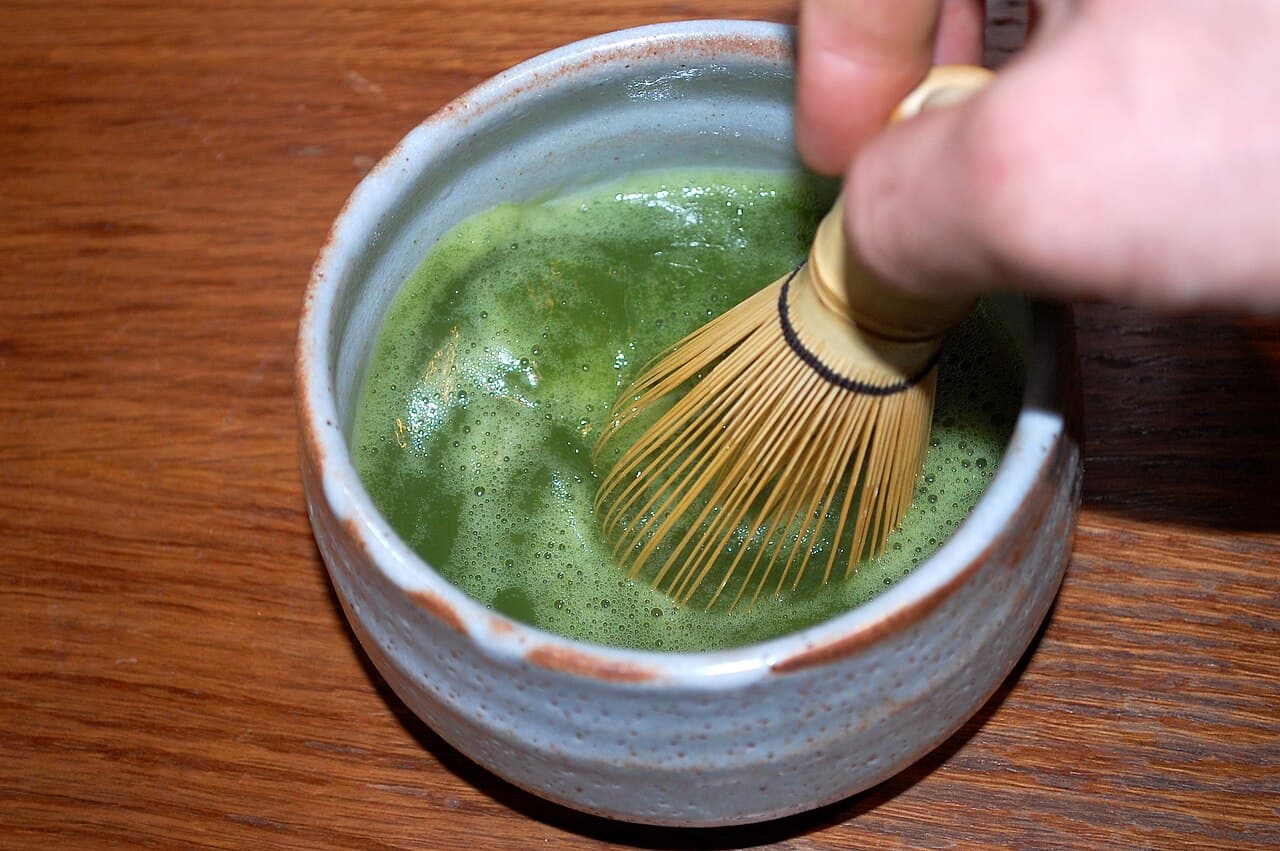
Contact time matters too, in a way that's easy to overlook because matcha isn't strained off the way a steeped leaf tea is — the powder stays suspended in the water in front of you, so extraction doesn't stop when the whisking does. It continues for as long as powder and water are in contact: the seconds spent whisking past the point the foam has formed, and however long the bowl sits before it's drunk. A bowl whisked for a full minute and left to sit will read more bitter than the same matcha whisked briskly for 15–20 seconds and drunk right away, even at an identical temperature and ratio. CHANOMA's usucha walkthrough covers the sifting and whisking motion that keeps this window short.
4. The matcha has gone stale
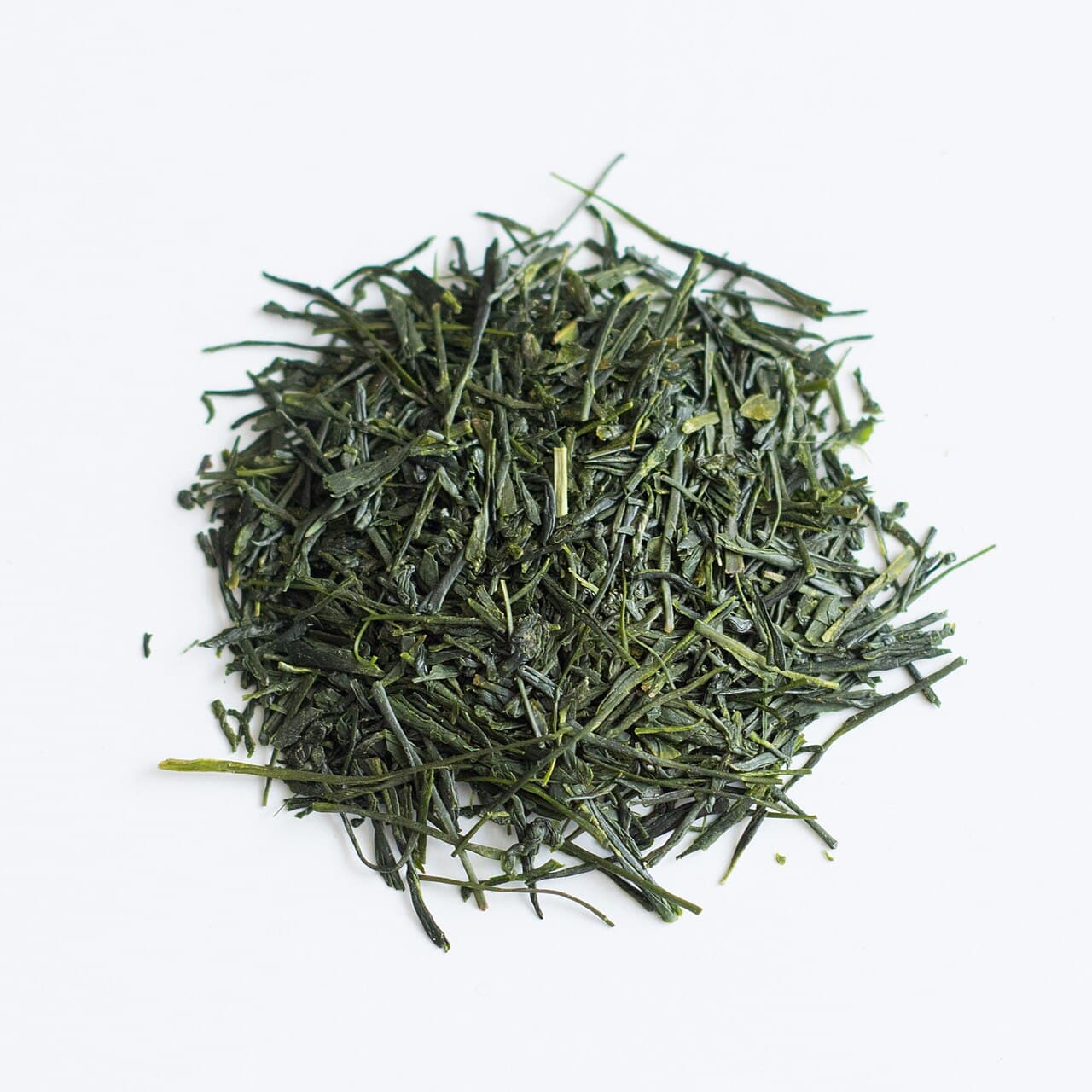
Matcha oxidizes once it's exposed to air, and the process changes flavor as well as color. The bright, vegetal top notes fade first; what develops in their place tends to read as a flatter, harsher bitterness rather than fresh matcha's rounder edge, alongside a color shift from vivid green toward a duller olive or yellow-brown as the leaf's chlorophyll breaks down. If a tin has been open for more than a few weeks, stored somewhere warm, or left with a loose-fitting lid, that alone can explain bitterness that wasn't there when the tin was new — independent of grade or brewing technique. Keeping opened matcha sealed, cold, and out of light slows the process; it doesn't reverse it once it's happened.
5. It's culinary-grade matcha, whisked straight
Vendors that sell a separate "culinary" or "latte" tier generally draw it from later-harvest leaf and price it lower per gram specifically because it's built to be diluted — into milk, a smoothie, or a baked batter — rather than whisked with water alone. Sold that way, it isn't defective; it's doing what it was priced and blended to do. Whisked straight into a bowl of hot water the way usucha is prepared, the same powder can taste sharply bitter, because the milk or sugar it was balanced against isn't there. If you drink matcha straight rather than cook with it, that's the one place worth spending more per gram on leaf sold for usucha and koicha rather than for lattes.
Isolating the actual cause
Change one variable before changing the tea. If a bowl tastes harsh, check the water temperature first — it's the fastest, cheapest thing to test. If cooler water doesn't fix it, check whether the tin is labeled "culinary" or "latte," whether it's been open for a while, and whether the powder is measured rather than eyeballed. Working through the list in that order will usually land on the answer before a second tin needs opening.
Sources
- Effect of Shading on the Morphological, Physiological, and Biochemical Characteristics as Well as the Transcriptome of Matcha Green Tea — International Journal of Molecular Sciences
- Types of Tea — Kyoto Prefectural Tea Industry Chamber (Uji Tea)
- Basic Usucha (Matcha) — Preparing Tea, Ippodo Tea Global
- Effects of different brewing conditions on catechin content and sensory acceptance in Turkish green tea infusions — Journal of Food Science and Technology
- Why Water Temperature Changes Matcha Taste: The Extraction Concept Nobody Explains — Japanese Tea Pedia
- The Definitive B2B Guide to Bulk Matcha Storage: Science, Logistics, and Quality Preservation — Riching Matcha
- Matcha Grade Difference: Ceremonial, Latte and Culinary Grades — Encha
FAQ
- Is matcha supposed to taste bitter at all?
- Yes, to a point. Usucha balances a savory, mildly bitter backbone against sweetness from the leaf's amino acids — some edge is normal. Bitterness that's sharp, lingers at the back of the throat, or dominates the bowl is not normal, and traces to one of five specific causes: water too hot, less-shaded or later-harvest leaf, too much powder or too long whisking, oxidized/stale powder, or culinary-grade matcha whisked straight.
- Does paying more for matcha guarantee it won't be bitter?
- Not by itself. "Ceremonial grade" has no public, industry-wide definition in Japan — it's a term each vendor applies on its own — so a high price is one seller's signal, not a certification. Region, cultivar, harvest timing and price per gram are the checkable specs worth reading instead of the grade word on the tin.
- I already made a bitter bowl of matcha — can I fix it?
- Not the extraction that's already happened, but the cup can be softened by adding a little more hot water or milk. For the next bowl, start with cooler water (around 80°C), measure the powder rather than eyeballing it, and drink it soon after whisking rather than letting it sit.
This article is for information only, not health or medical advice — we describe tea, not what tea will do for your body. Prices, availability and harvest details change; always check the linked vendor or official page before buying. Outbound links to vendors are plain links: we hold no affiliate accounts and earn nothing if you use them (see /how-we-review).