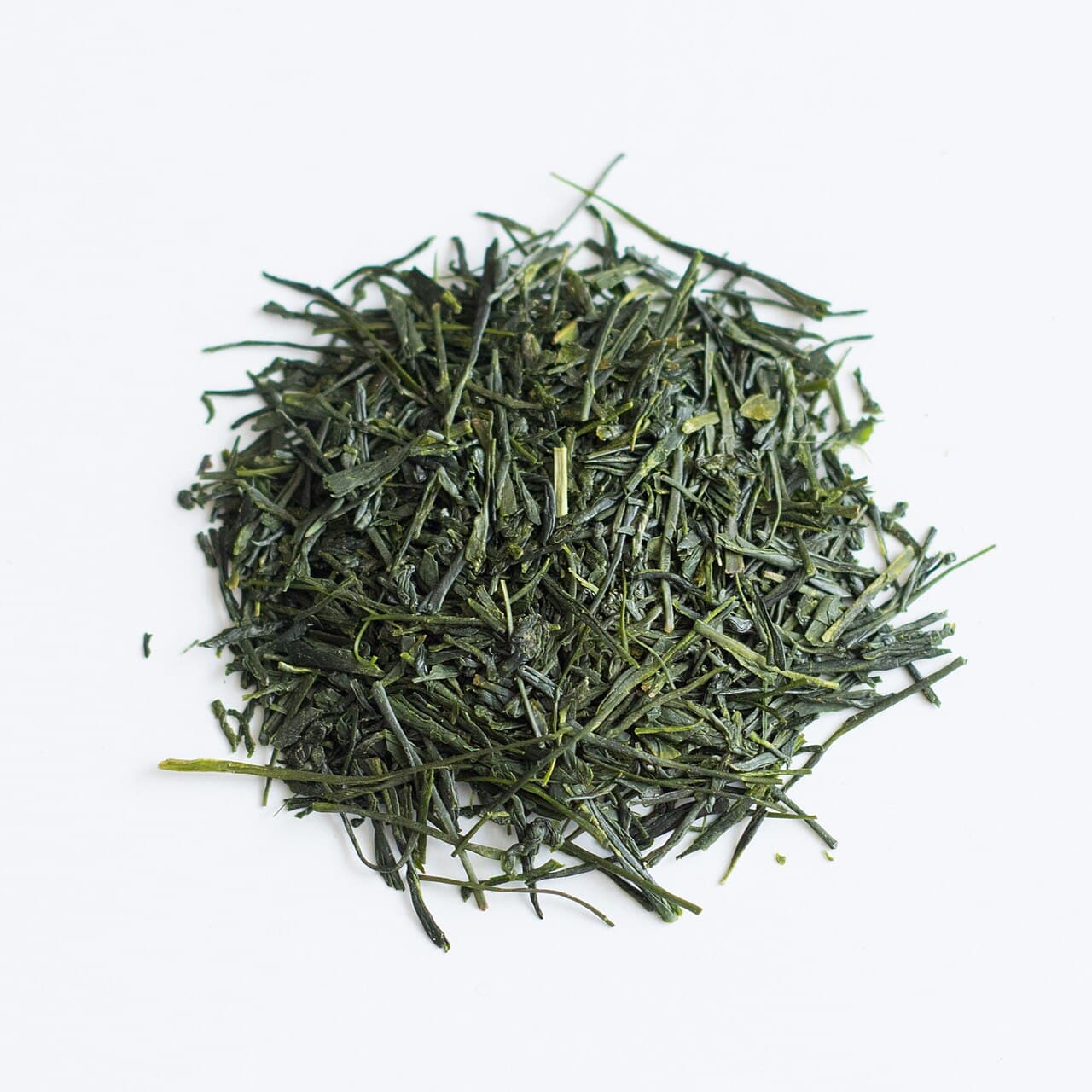
Guide
Ceremonial vs Culinary Matcha: What Actually Separates Them
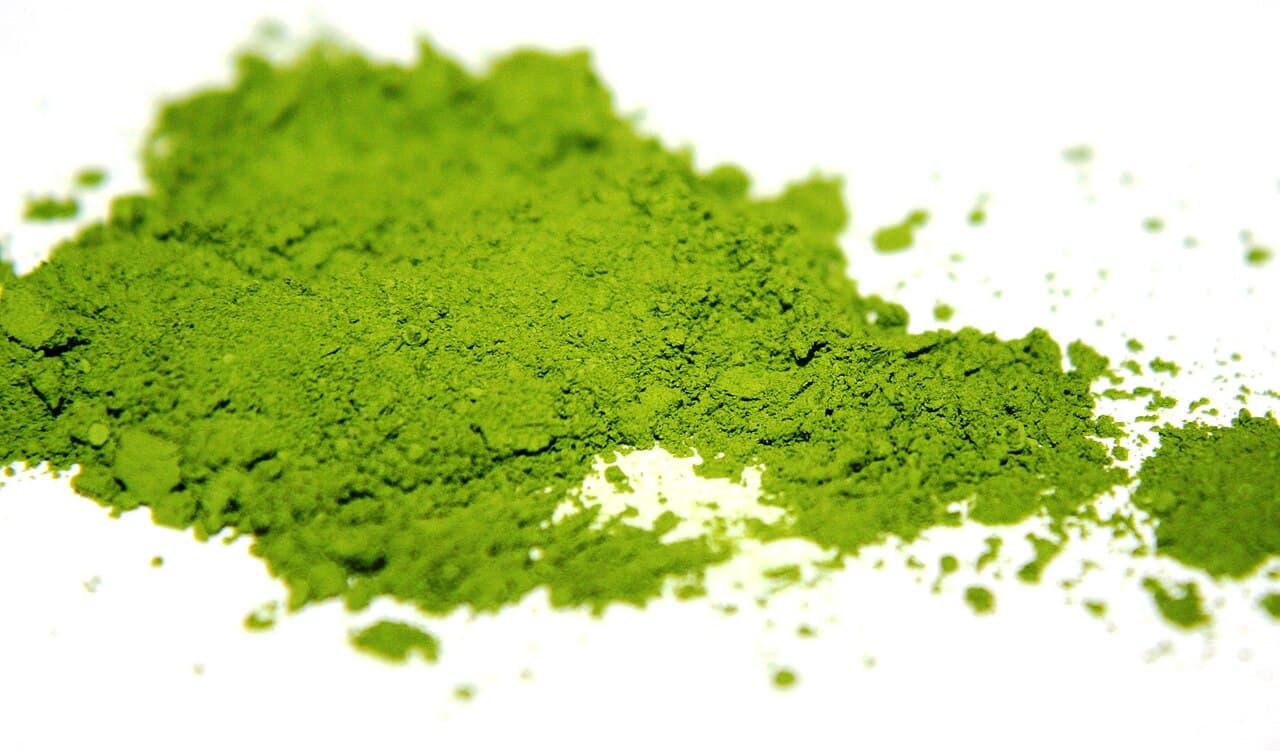
The short answer
"Ceremonial grade" and "culinary grade" are both vendor-applied marketing terms, not regulated classifications. As covered in what "ceremonial grade" actually means and matcha grades explained, no Japanese government ministry, trade body, or industry-wide standard defines either word — each seller decides on its own what qualifies. Some producers, including long-established Kyoto maker Ippodo Tea, avoid the terms altogether. Ippodo's own FAQ states plainly that it does not use "ceremonial grade," calling it a term "invented to market matcha to the West" that "is not used in Japan" — while describing its own lineup simply as matcha suitable for drinking on its own and for tea ceremony use (source).
That absence of a standard doesn't mean the two labels are interchangeable in practice, though. Vendors that use both terms — side by side, on the same site — consistently point them at different jobs, and that functional split shows up in three things you can check yourself: how fine the powder is ground, what harvest tier the leaf typically comes from, and what it costs.
What each label is meant to signal
Manufacturer Aiya, which sells matcha under both names, describes ceremonial grade as intended for "traditional hot tea (usu-cha)" and "daily drinking," with a "naturally smooth & sweet" flavor profile. Its culinary grade is described as carrying "a stronger tea flavor than a ceremonial grade, allowing the matcha flavor to shine through when mixed with other ingredients," and is marketed for "lattes, smoothies, and other blended drinks" plus baking (Aiya matcha grades; ceremonial grade product page; culinary grade product page).
In short: one is built to be whisked with water alone and drunk straight; the other is built to hold its flavor once it's diluted by milk, sugar, batter, or ice cream. That's a real, functional distinction — it's just not a regulated one.
1. Milling fineness — the most checkable difference
Grinding is where the two products physically diverge. Aiya's own consumer-facing explainer states that "at about 5-10 microns in size, a high-quality Matcha powder is very fine to the touch," and describes the production step as "stone grinding into a fine powder" (What is Matcha?). Powder ground to that fineness dissolves into a smooth suspension when whisked with water alone, which is exactly the use case ceremonial-labeled matcha is sold for.
Culinary-labeled matcha is not necessarily milled to the same tolerance. Because it's destined to be mixed with milk, batter, or other ingredients that carry their own texture, a coarser, faster-milled powder is harder to detect in the final product — which is also why culinary matcha tends to cost less to produce. Vendors rarely publish an exact micron figure for their culinary lines, so if fineness matters to you, ask the seller directly rather than assuming from the label alone.
2. Harvest tier — what typically goes into each tier
Japanese green tea is picked in flushes through the growing season, with the first flush (ichibancha, harvested in spring) generally reserved for a producer's higher tiers, and later flushes or more mature leaf used further down the lineup. Japan-based marketplace Yunomi describes one of its top ceremonial tiers (A2 — Premium Ceremonial Grade) as "made from spring-harvested tencha" (Yunomi matcha grades) — consistent with the general pattern that a vendor's straight-drinking tier draws more heavily on earlier, more tender picks, while a cooking-oriented tier can draw on later, more robust leaf without the flavor difference being as noticeable once it's mixed into a recipe.
This is a tendency, not a rule enforced by anyone — a vendor calling something "culinary" is not obligated to disclose which flush it came from, and few product pages state a harvest date. If harvest timing matters to your decision, look for a specific season or "first flush" claim rather than trusting the grade word by itself; the cultivar and region background behind that claim is covered in matcha grades explained.
3. Price — a real, checkable gap, but not a fixed ratio
Because both terms are unregulated, there is no fixed price rule that separates them — but where a single vendor sells both, the gap is usually wide and checkable on the vendor's own site. Aiya, for example, sells its Ceremonial Matcha 100g bag for $70.40 and its Culinary Grade Matcha 100g bag for $31.20 (both prices include CA sales tax, per Aiya's listing) — the same package size, the same manufacturer, verified on Aiya's own product pages as of 2026-07-17 (ceremonial 100g; culinary 100g).
At the wholesale/ingredient level, Japan-based matcha trading company First Agri publishes broader bands for food manufacturers: roughly $150–300 per kilogram for ceremonial-tier material against roughly $40–80 per kilogram for culinary-tier material, in a column originally published 2026-02-09 and updated 2026-03-29 (Matcha as a food ingredient).
Price alone is not proof of grade, though. Ippodo — which, again, uses neither term — sells its Sayaka matcha, described as suitable for "your first taste of Ippodo matcha" and usable for usucha or koicha, and — per Ippodo's own hedge — sometimes chosen for lattes, at $119 for a 100g bag (checked 2026-07-17), well above Aiya's ceremonial-labeled price (Sayaka 100g). A high price signals that a vendor is charging for quality, provenance, or brand — it doesn't by itself confirm which harvest went in or how fine it was milled. Treat price as one data point alongside milling and harvest claims, not a grade in its own right.
How to actually decide
Given that "ceremonial" and "culinary" are self-applied, the practical approach is to shop past the label:
- If you're whisking it alone and drinking it straight (usucha or koicha), look for a stated fine-mill claim, a named harvest season, and a price that sits in the higher band a vendor's own catalog shows for its straight-drinking teas.
- If you're making a latte, baking, or blending it into something else, a lower-priced, coarser-milled bag sold explicitly for that purpose is doing its job — you are not "settling" for a lesser product, you're buying the product built for that use.
- Either way, check the vendor's own comparison, not a universal chart. Because there's no shared standard, the only meaningful comparison is within one seller's own lineup, where the relative price and stated use case are at least internally consistent.
For the deeper background on why no standard exists, and on region and cultivar as additional signals, see what "ceremonial grade" actually means and matcha grades explained.
FAQ
Is culinary-grade matcha lower quality than ceremonial-grade matcha?
Not necessarily lower quality — it's typically a different intended use. Culinary matcha is generally milled and selected to hold its flavor when mixed with milk, batter, or other ingredients, while ceremonial matcha is milled and selected to be whisked with water alone and drunk straight. Since neither term is regulated, quality within each category still varies by vendor.
Can I use ceremonial-grade matcha for a latte, or culinary-grade matcha for usucha?
Yes, physically either will work. Ceremonial-labeled matcha in a latte will usually just be a milder-tasting drink for a higher ingredient cost, since its flavor is more easily masked by milk. Culinary-labeled matcha whisked into plain water may taste more bitter or coarse-textured than a vendor's straight-drinking tier, since it typically isn't milled or selected for that use.
Why do two vendors' "ceremonial grade" matcha cost such different amounts?
Because there's no shared standard behind the word, price differences can reflect real differences in harvest timing, milling, and region — or simply a vendor's brand positioning. Compare specific, checkable facts (stated harvest, milling claim, cultivar, region) rather than the grade label alone.
Sources
- Is Ippodo's matcha "ceremonial grade"? — Ippodo Tea FAQ
- Sayaka Matcha (100g Bag) — Ippodo Tea product page
- Matcha Grades — Aiya Matcha
- What is Matcha? — Aiya Matcha (particle size and milling)
- Ceremonial Matcha (100g Bag) — Aiya Matcha product page
- Culinary Grade Matcha (100g Bag) — Aiya Matcha product page
- Yunomi Matcha Grades & Categories
- Matcha as a Food Ingredient: Formulation Guide for Manufacturers — First Agri
FAQ
- Is culinary-grade matcha lower quality than ceremonial-grade matcha?
- Not necessarily lower quality — it's typically a different intended use. Culinary matcha is generally milled and selected to hold its flavor when mixed with milk, batter, or other ingredients, while ceremonial matcha is milled and selected to be whisked with water alone and drunk straight. Since neither term is regulated, quality within each category still varies by vendor.
- Can I use ceremonial-grade matcha for a latte, or culinary-grade matcha for usucha?
- Yes, physically either will work. Ceremonial-labeled matcha in a latte will usually just be a milder-tasting drink for a higher ingredient cost, since its flavor is more easily masked by milk. Culinary-labeled matcha whisked into plain water may taste more bitter or coarse-textured than a vendor's straight-drinking tier, since it typically isn't milled or selected for that use.
- Why do two vendors' "ceremonial grade" matcha cost such different amounts?
- Because there's no shared standard behind the word, price differences can reflect real differences in harvest timing, milling, and region — or simply a vendor's brand positioning. Compare specific, checkable facts (stated harvest, milling claim, cultivar, region) rather than the grade label alone.
This article is for information only, not health or medical advice — we describe tea, not what tea will do for your body. Prices, availability and harvest details change; always check the linked vendor or official page before buying. Outbound links to vendors are plain links: we hold no affiliate accounts and earn nothing if you use them (see /how-we-review).