Guide
How to Brew Sencha: A Step-by-Step Kyusu Guide
The short answer
Sencha (煎茶) brews well with water at roughly 70–80°C for 60–90 seconds, using about 2–3g of leaf per 100ml of water. Water straight off a rolling boil will pull out more bitterness and astringency than sweetness, so letting it cool first — and keeping the steep short — is most of the technique. A shorter second steep with slightly hotter water is a normal, expected part of drinking sencha, not a sign the first pour went wrong.
These are the same ranges used by CHANOMA's own brew timer, and they track closely with what Japan's own agriculture ministry and tea-industry references teach — sourced in detail below.
What you need
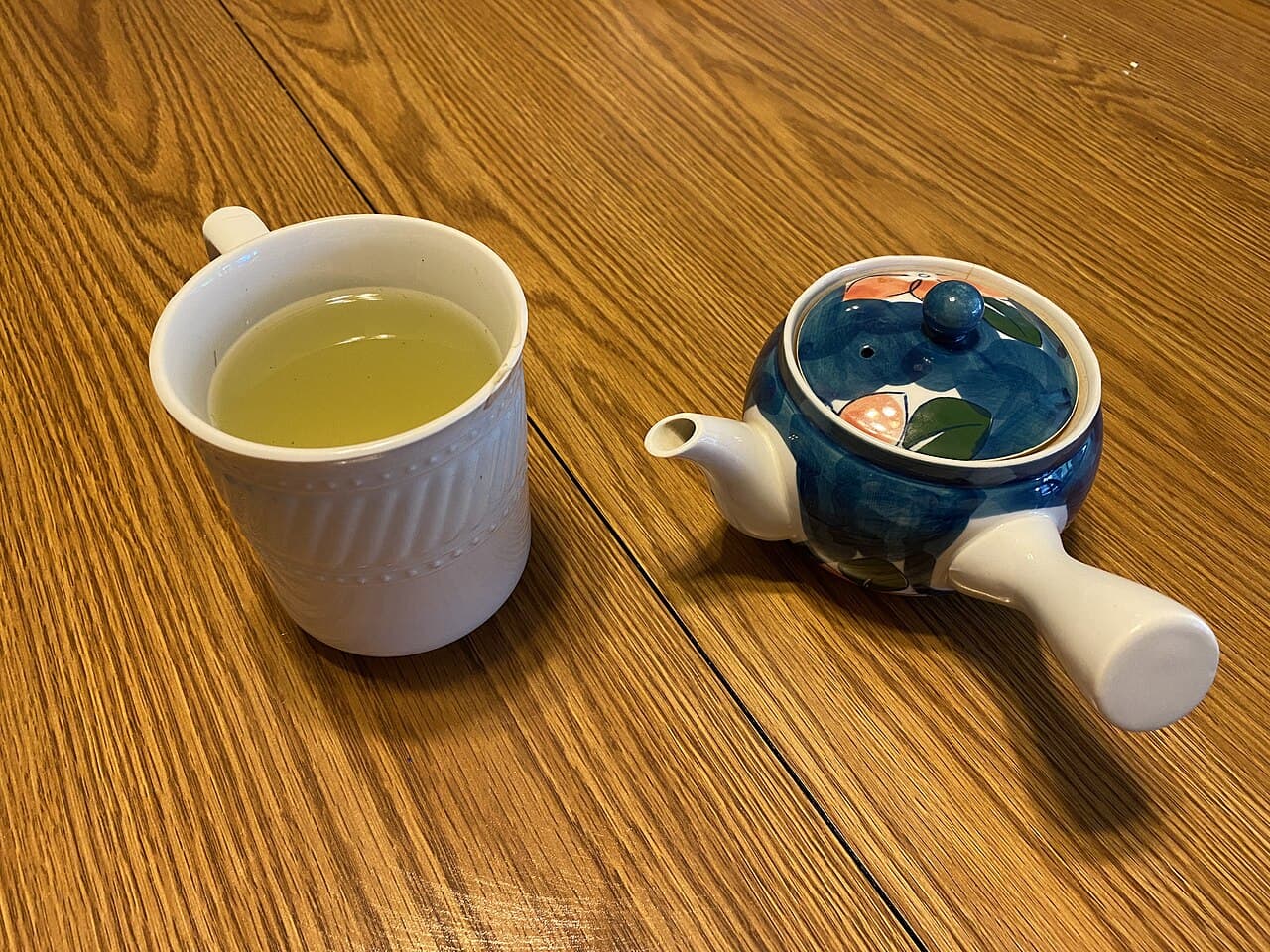
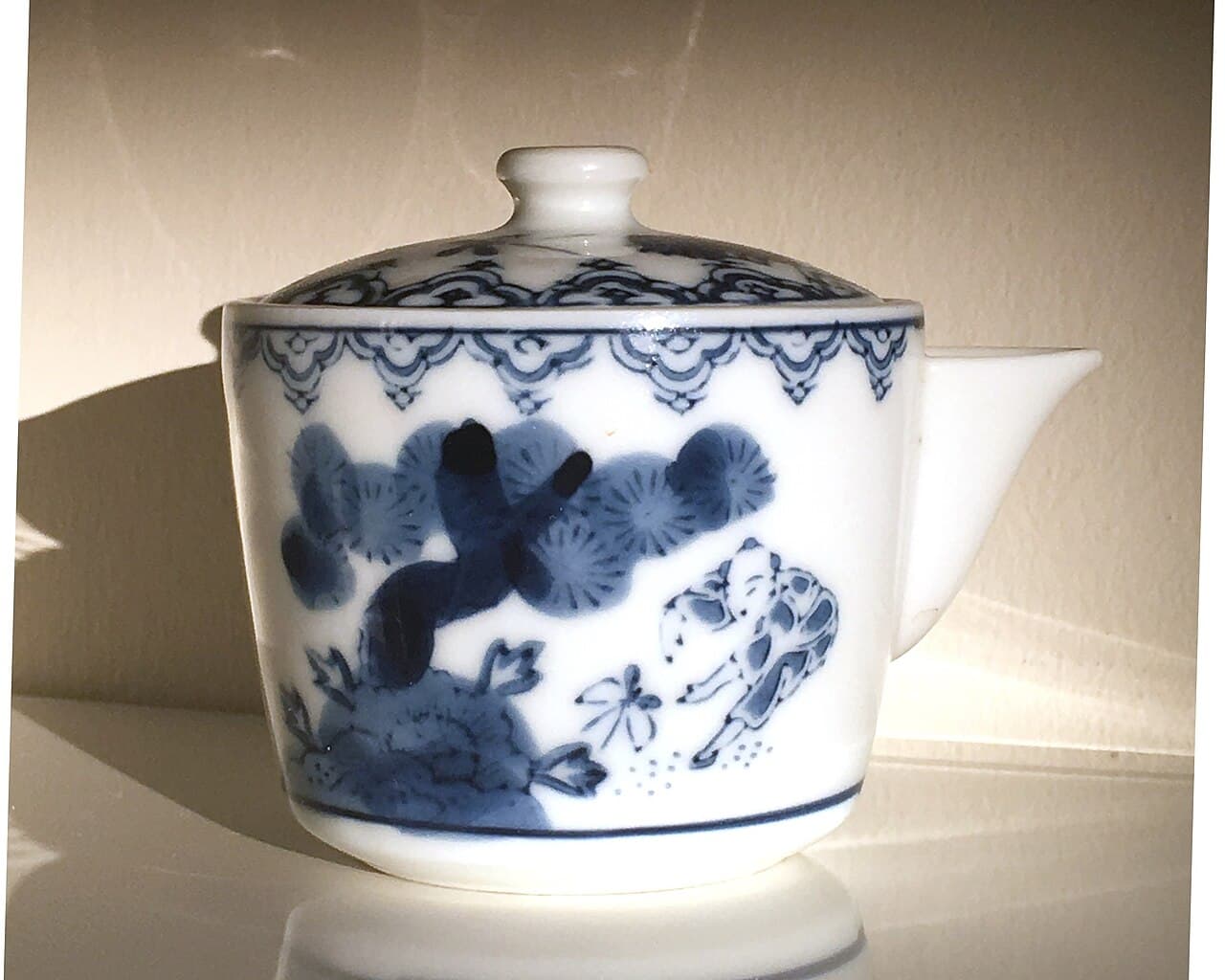
- A kyusu (急須) — a small side-handled teapot with a built-in strainer. If you're new to the tool itself, see how to use a kyusu.
- Sencha leaves.
- A way to bring boiled water down in temperature — a yuzamashi (湯冷まし, a wide-mouthed cooling vessel), or simply pouring the water between a couple of teacups before it reaches the leaf.
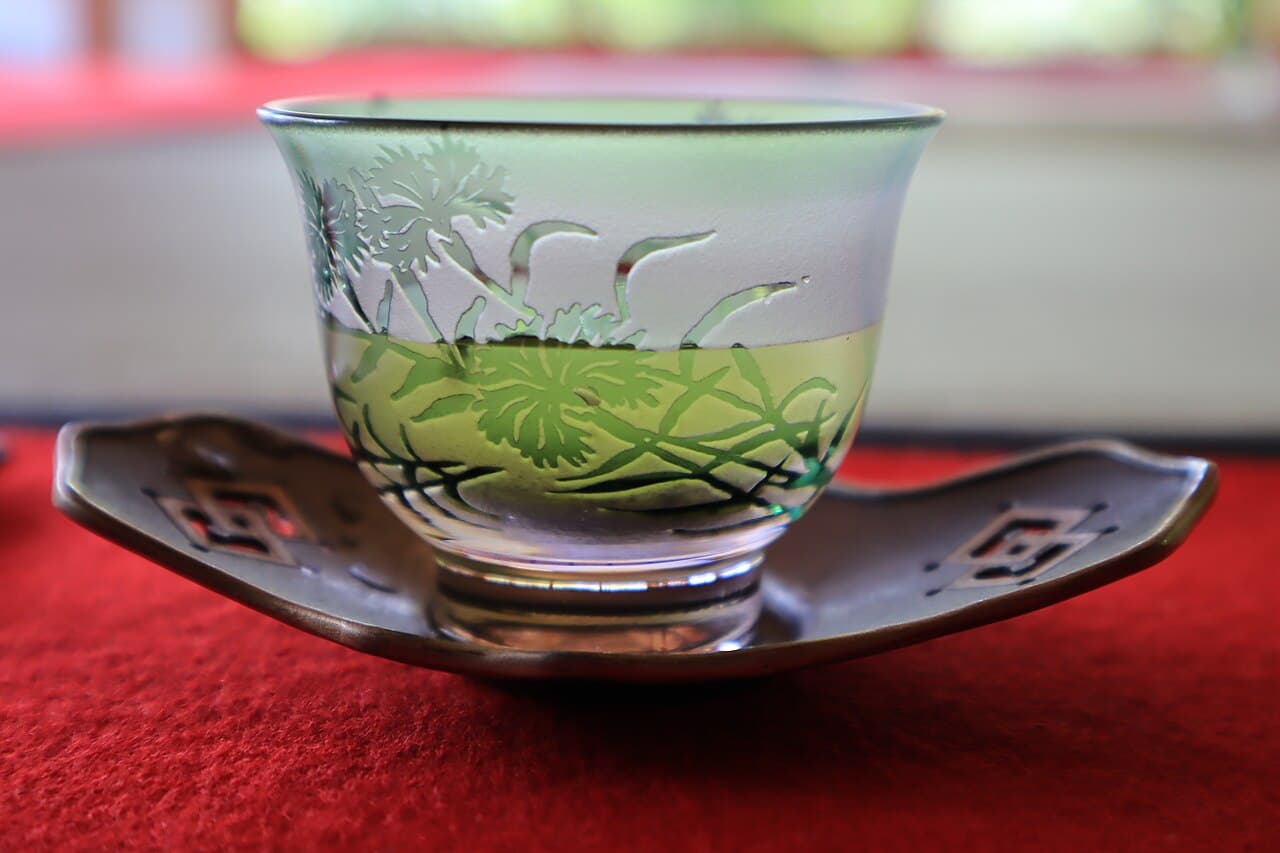
- Small teacups. Japan's tea-brewing manual pairs a 250ml kyusu with 100ml cups for higher-grade sencha, and a larger 600ml pot with 150ml cups for everyday-grade sencha — the ratio matters more than the exact size.
Step by step
- Measure the leaf. About 2–3g per 100ml of water, per person, is the standard reference figure (more on where that number comes from below).
- Boil the water, then let it cool. Bring water to a full boil — Japan's tea-brewing guidance is explicit that the water should be properly boiled first, even though it won't touch the leaf at that temperature. Pouring it into a cup or a yuzamashi and letting it sit a minute or two typically drops it into the 70–80°C range; each time you move hot water from one vessel to another it loses roughly 5–10°C.
- Pour the water over the leaf and steep for 60–90 seconds. Don't stir or shake the pot — let the leaf unfurl on its own.
- Pour in small circles (mawashi-sosogi, 廻し注ぎ). If you're filling more than one cup, don't fill them one at a time — pour a little into each cup in rotation (1, 2, 3, then back 3, 2, 1) so every cup ends up the same strength.
- Empty the pot completely. This is the step people skip. If liquor is left sitting on the leaf, it keeps extracting while you drink, which both wastes the leaf and throws off the second steep. Tip the kyusu until the last drop is out.
How much leaf, exactly
Japan's Ministry of Agriculture, Forestry and Fisheries (MAFF) publishes an official brewing manual that gives a specific figure: 2–3g of leaf per 100ml of water, per person, for standard sencha. For five people that scales to 10–15g in theory, though the manual notes 10g works well in practice; for a single cup, it recommends leaning toward 4–5g so the second steep still has something to give. Scaled to a typical small kyusu pour of 150–200ml — enough for one or two cups — that lands around 3–6g. JA Shizuoka City's own guidance gives a similar leaf amount (about 3g per person), though a somewhat stronger water ratio — 60ml for premium-grade sencha or 90ml for regular-grade — so this isn't a one-source number.
The same MAFF manual sets the water temperature by grade: about 70°C for higher-grade sencha and up to 90°C for everyday-grade sencha, with the standard infusion time for ordinary sencha at 1 minute 30 seconds — the top end of the 60–90 second range above. That's also why CHANOMA's own guideline range runs a little cooler than some traditional references for lower grades: it's built to sit safely across grades rather than assume you're brewing top-shelf leaf. As always, your own tea's packet instructions win if they say otherwise.
The second steep
Japanese brewing guidance is consistent that sencha leaf is good for more than one pour. MAFF's manual calls the second pour 二煎目 (nisenme, "second infusion") and gives concrete advice: use slightly hotter water than the first steep, and cut the steeping time to roughly half — around 45 seconds if the first steep ran the standard 90. JA Shizuoka City's guidance is similar in spirit but even quicker on timing, suggesting the second cup needs only about 10 seconds once the water is in, since the leaf has already opened and gives up its remaining flavor fast. Either way, the pattern is the same: hotter water, much less time.
Worth knowing separately: the phrase 二番煎じ (niban-senji) literally describes the same thing — a second brewing — but in everyday Japanese it's drifted into an idiom for "a rehash" or "a stale copy of the original," the way English might say "warmed-over." When a tea guide is talking technique, you'll more often see 二煎目; when someone's making a joke about a sequel or a knockoff, that's when 二番煎じ shows up.
A third steep is common too, usually needing the hottest water of the three and a slightly longer pour than the second, since less flavor is left to coax out.
Common mistakes
- Water too hot, straight from the kettle. This is the single biggest cause of a bitter, flat-tasting cup — cool the water first, every time.
- Steeping too long "to make it stronger." A longer steep at the same temperature pulls out more astringency along with more flavor; if the tea tastes weak, use slightly more leaf next time rather than steeping longer.
- Leaving liquor in the pot. Pour until the last drop, every steep — see step 5 above.
- Treating the second steep like the first. Use hotter water and much less time, not the same routine twice.
FAQ
How much sencha should I use per cup? Roughly 2–3g of leaf per 100ml of water, per person — Japan's own tea-brewing manual gives this as the standard reference. For a small kyusu pour of 150–200ml, that works out to about 3–6g total.
Why not just use boiling water for sencha? Very hot water extracts the leaf's bitter and astringent compounds quickly, which reads as harshness rather than the sweeter, rounder taste sencha is generally brewed for. Cooling the water to roughly 70–80°C before it touches the leaf, then keeping the steep to 60–90 seconds, is standard Japanese brewing guidance rather than a fussy extra step.
How many times can you steep the same sencha leaves? Two steeps is standard practice, and a third is common. Each subsequent steep uses hotter water and a shorter time (the second) or a slightly longer one (the third), since there's progressively less flavor left in the leaf to draw out.
Sources
FAQ
- How much sencha should I use per cup?
- Roughly 2–3g of leaf per 100ml of water, per person — Japan's own tea-brewing manual gives this as the standard reference. For a small kyusu pour of 150–200ml, that works out to about 3–6g total.
- Why not just use boiling water for sencha?
- Very hot water extracts the leaf's bitter and astringent compounds quickly, which reads as harshness rather than the sweeter, rounder taste sencha is generally brewed for. Cooling the water to roughly 70–80°C before it touches the leaf, then keeping the steep to 60–90 seconds, is standard Japanese brewing guidance rather than a fussy extra step.
- How many times can you steep the same sencha leaves?
- Two steeps is standard practice, and a third is common. Each subsequent steep uses hotter water and a shorter time (the second) or a slightly longer one (the third), since there's progressively less flavor left in the leaf to draw out.
This article is for information only, not health or medical advice — we describe tea, not what tea will do for your body. Prices, availability and harvest details change; always check the linked vendor or official page before buying. Outbound links to vendors are plain links: we hold no affiliate accounts and earn nothing if you use them (see /how-we-review).