Guide
How to Store Matcha So It Stays Fresh
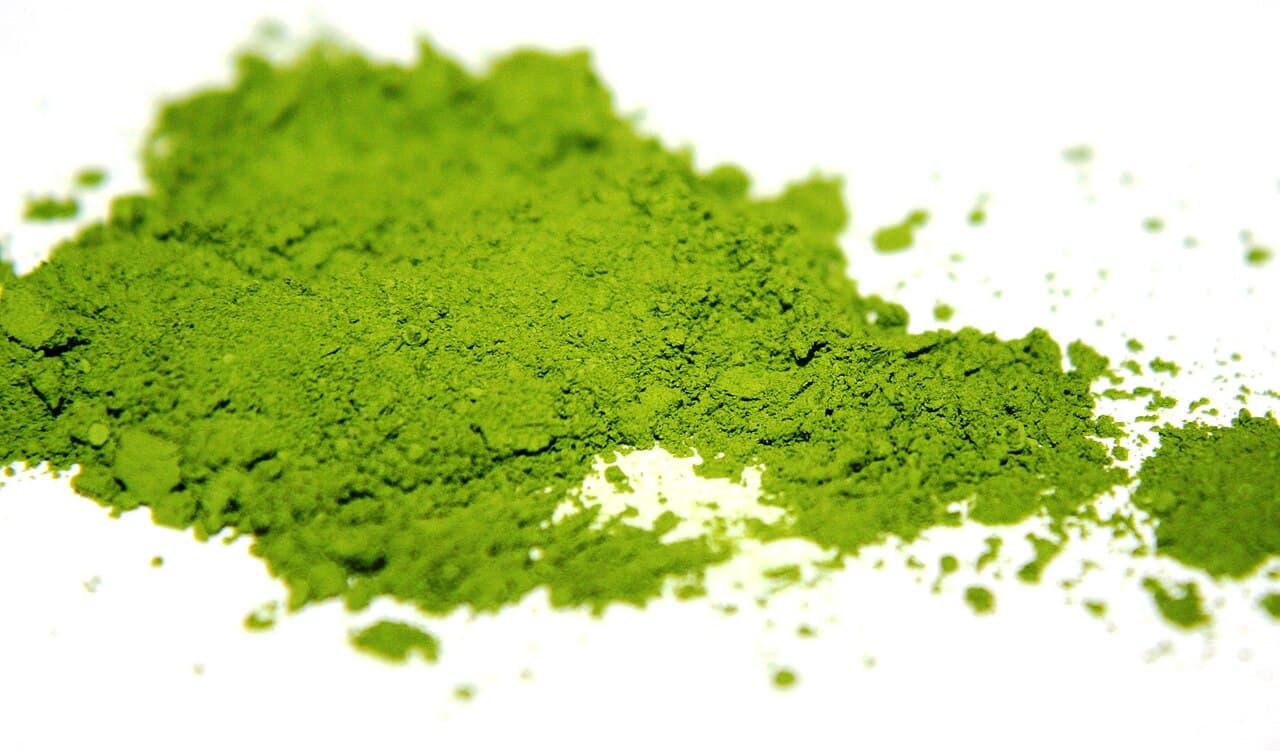
Short answer: matcha is a very fine powder, so it has far more surface area exposed to air, light, and moisture than an intact tea leaf — that is the mechanical reason it fades and turns flat-tasting faster than sencha or gyokuro. Keep it airtight, cold, and dark. An unopened tin generally holds its quality for roughly six months to a year if it's refrigerated or frozen; once opened, Japanese producers typically recommend finishing it within about two weeks. If you do chill matcha, let the sealed container return to room temperature before opening it — otherwise condensation forms on the cold powder and degrades it fast.
Why matcha degrades faster than leaf tea
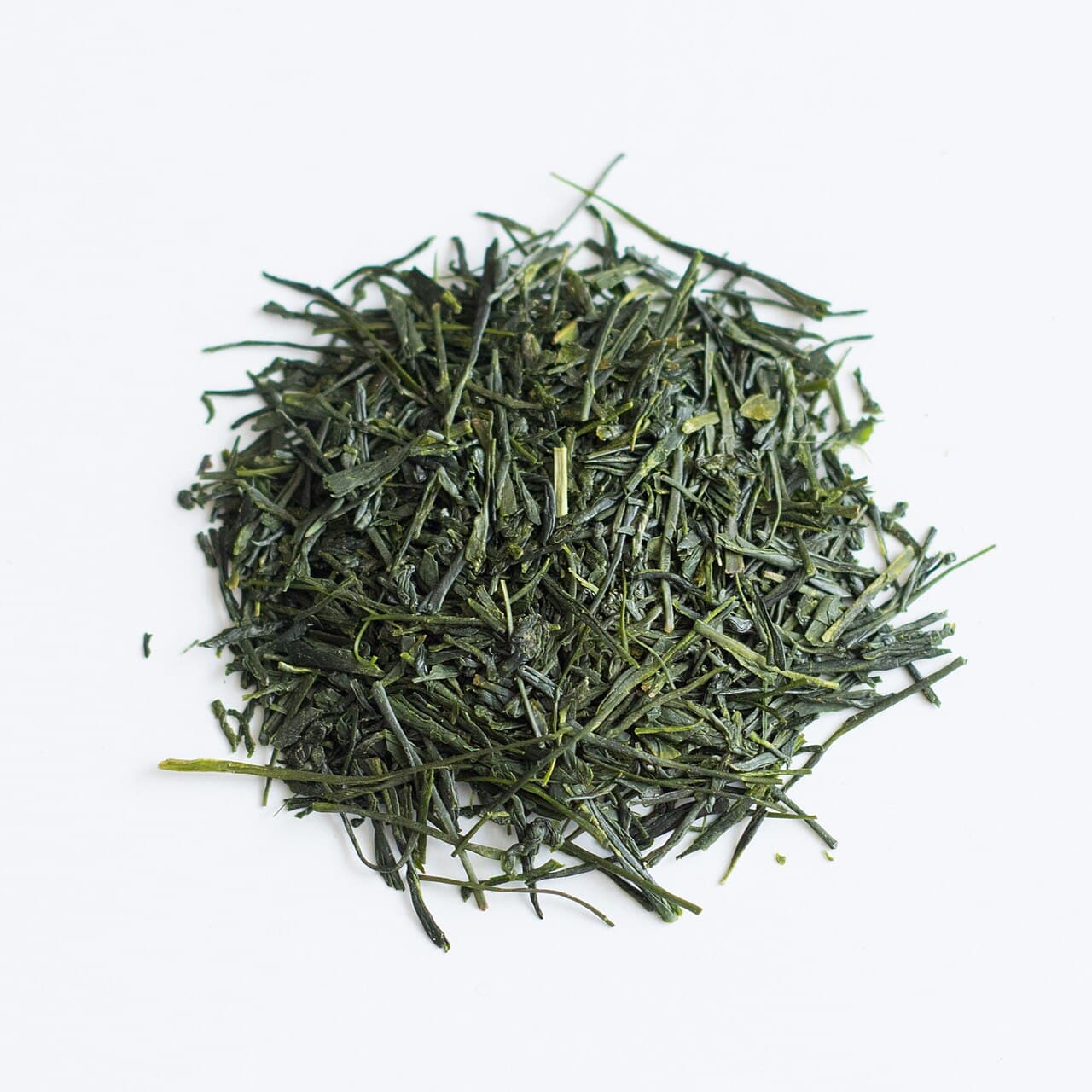
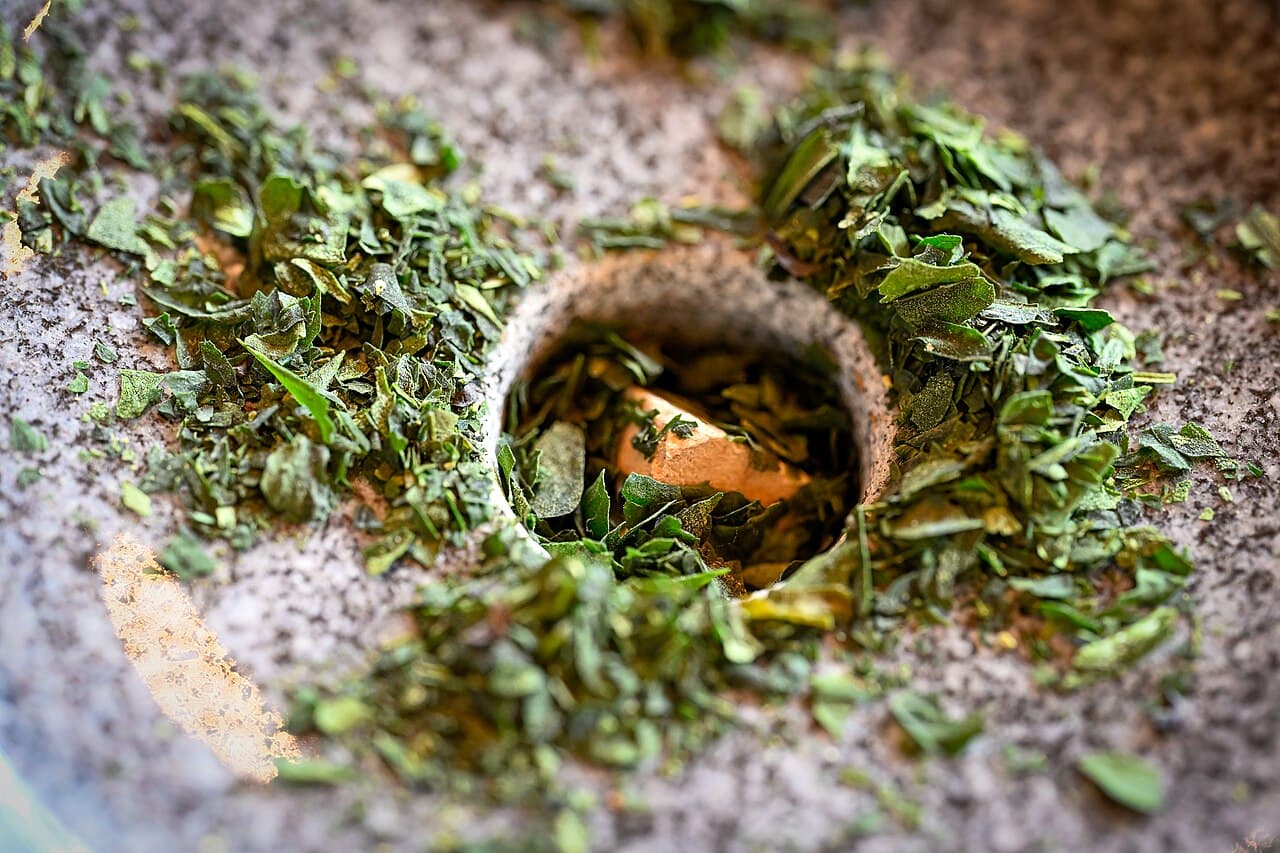
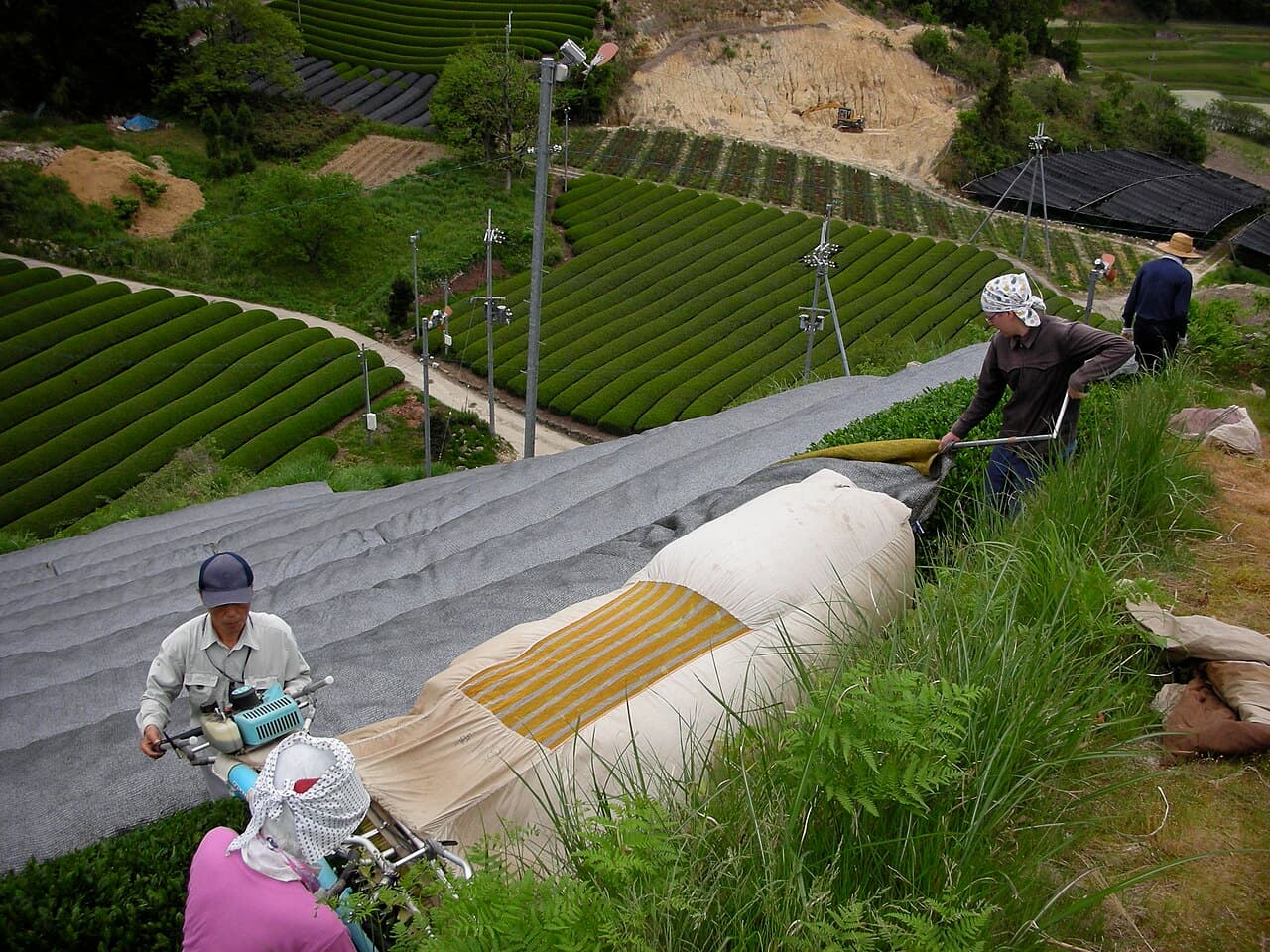
Whole-leaf teas keep their leaf structure after drying, so only the outer surface of each rolled leaf is exposed to the air. Matcha is made differently: shade-grown leaf (tencha) is dried flat, then ground on a granite stone mill into a powder that Uji producer Yamamasa Koyamaen describes as "approximately 10 micron-sized," and that a powder that Uji producer Yamamasa Koyamaen describes as approximately 10-micron-sized — a small fraction of the width of a human hair.
Turning a leaf into a powder that fine multiplies the surface area exposed to oxygen, moisture, and light many times over compared with an intact leaf. That is the whole reason matcha's freshness clock runs faster than the clock on a bag of leaf tea: there is simply far more exposed surface for air, humidity, and light to act on.
What "degraded" actually means here
Matcha's characteristic green comes from chlorophyll, and its body and slight bitterness come partly from catechins (a group of plant compounds). Air and heat exposure oxidizes those catechins and breaks down the chlorophyll — a Japanese retailer's guide notes that when matcha warms and its catechins oxidize, the powder tends to taste more bitter or astringent and to change color, while a producer's technical writeup describes the same chlorophyll breakdown as the reason a tin's bright green fades toward a duller, more yellow-brown tone.
Worth being precise about what this is and isn't: it's a flavor and color quality signal, not a safety issue. A tin that has sat open and unrefrigerated for a month will likely look duller and taste flatter or more bitter than a fresh one — that's a "past its best" situation, not a spoiled one.
The three variables: airtight, cold, dark
- Airtight. Reseal the inner bag tightly and, if possible, keep it inside a second lidded, opaque container. Matcha's fine powder readily absorbs ambient moisture and odors — coffee and spices nearby are worth avoiding.
- Cold. Lower temperatures slow the oxidation reaction. One producer's guidance targets 5°C or below (refrigerator or freezer range) for matcha you're not using immediately.
- Dark. Light accelerates the same chlorophyll breakdown that heat does, so an opaque tin in a cupboard beats a clear jar on a sunlit counter.
Unopened vs. opened: realistic timelines
Vendor guidance varies a little, but a consistent picture emerges from Japanese producers and retailers:
- Unopened, kept cool and away from heat: Yamamasa Koyamaen states an eight-month best-by guarantee under those conditions. A separate Japanese retailer's consumer guide gives a broader rule of thumb of 8 months unopened when kept cool (Yamamasa Koyamaen's own best-by guarantee), or about a year if frozen unopened (per one retailer), and about a year if the unopened tin is kept frozen.
- Opened: the same retailer's guidance is to use an opened tin up promptly "regardless of the printed best-by date," with roughly two weeks as the realistic window if it's kept refrigerated after opening — shorter if it's just sitting at warm room temperature.
Those numbers are general guidance, not a law of physics — the most specific answer you have is whatever your own tin's label says, since producers set best-by dates against their own packaging and grinding date. If you're still deciding which tin to buy in the first place, the terminology on the label (and what it does and doesn't guarantee) is covered in our ceremonial grade explainer and grades breakdown.
Why producers recommend the refrigerator or freezer — and the condensation catch
Cold slows oxidation, which is why long-term or backup stock is commonly kept refrigerated or frozen while sealed. The catch is what happens at the other end: if you take a cold, sealed tin out and open it immediately, the warm, moist room air hitting the cold powder condenses onto it. Yamamasa Koyamaen is direct about the result: opening it while still cold causes it to "absorb moisture condensing in the air due to the difference in temperatures, resulting in a rapid degradation of quality" — potentially worse, in one sitting, than weeks of ordinary room-temperature storage.
The fix is simple and low-effort: let a chilled tin sit, still sealed, at room temperature before you open it. A Japanese retailer's consumer guide suggests for a while (Japanese sources don't give an exact figure) is generally enough, longer during humid weather, before breaking the seal.
A simple routine
- Buy an amount you expect to actually finish within a couple of weeks of opening it, rather than a large tin you'll be dipping into for months.
- Keep your in-use tin sealed, in a dark cupboard, away from strongly-scented food.
- If you're holding backup or bulk stock unopened, refrigerate or freeze it sealed.
- Before opening a chilled tin, let it sit sealed at room temperature for for a while (Japanese sources don't give an exact figure).
- Reseal promptly after each use, and scoop with a dry utensil — introduced moisture accelerates degradation the same way ambient humidity does.
None of this changes what's printed on the label or what a grade term claims — freshness and grade terminology are separate questions. Once your tin is at the right temperature and open, how to make matcha covers sifting, water temperature, and whisking.
Sources
FAQ
- Do I need to keep matcha in the refrigerator?
- Not necessarily. If you'll finish an opened tin within a couple of weeks, an airtight container in a cool, dark cupboard is generally enough. Japanese producers such as Yamamasa Koyamaen recommend the refrigerator or freezer mainly for tins you won't open soon, or during hot, humid stretches of the year, because lower temperatures slow the oxidation that fades matcha's color and flavor.
- Why did my matcha turn a dull, brownish green?
- That color shift comes from oxidation: exposure to air, heat, and light breaks down the chlorophyll that gives matcha its bright green color and oxidizes its catechins, which Japanese retailer guidance also links to a duller color and more bitter or astringent taste. It's a freshness and flavor signal, not a safety issue — the powder is simply past its best.
- How long does matcha last after you open it?
- There's no single universal number — Japanese retailer guidance treats about two weeks as a rule of thumb for deciding whether to refrigerate an opened tin (if you'll finish it within that window, refrigeration is optional), not as a hard expiration date. The safer approach is to buy an amount you'll realistically finish soon and use it up promptly once opened, regardless of the best-by date printed on the tin — that date assumes the seal is unbroken.
- How long should I let matcha sit before opening it after taking it out of the fridge or freezer?
- Japanese sources are vague on an exact number — the guidance is simply to let the sealed tin or bag sit at room temperature for a while before opening it, longer in humid weather. Opening a cold container immediately lets warm, moist air condense onto the cold powder, which degrades it quickly — Yamamasa Koyamaen describes this as causing rapid quality loss.
This article is for information only, not health or medical advice — we describe tea, not what tea will do for your body. Prices, availability and harvest details change; always check the linked vendor or official page before buying. Outbound links to vendors are plain links: we hold no affiliate accounts and earn nothing if you use them (see /how-we-review).